
At Nongtalang Community Health Centre, the Human Development Tour reinforced similar priorities, while highlighting both the strengths and constraints of the local health system .
The CHC serves a population of over 9,000, with relatively strong performance in key areas. NCD screening coverage stands at 94 percent, and no maternal deaths were recorded in 2025. However, immunisation coverage at 72 percent and the continued occurrence of infant deaths, four in the past year, indicate areas requiring sustained attention.
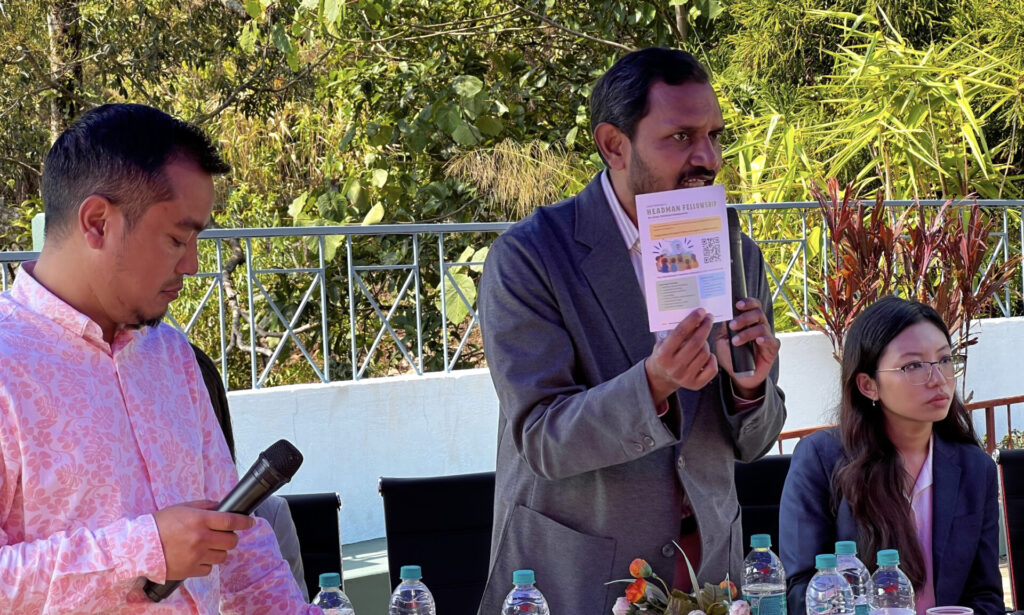
The CM Headman Fellowship was again positioned as central to driving change. By bringing together headmen, faith leaders, and SHGs, the programme seeks to strengthen community ownership and ensure that health and nutrition interventions translate into outcomes on the ground.
Maternal health efforts under the Chief Minister’s Safe Motherhood Scheme have shown encouraging results, particularly with the integration of childcare support. High institutional delivery rates reflect growing awareness, but sustaining zero maternal mortality will require continued engagement, early identification of high-risk pregnancies, and strong community support systems.
Child stunting remains one of the most significant challenges. Nearly half of the children in the state are affected, driven by inadequate nutrition and low rates of exclusive breastfeeding. The discussions reinforced the importance of the first thousand days, diet diversity, and improved feeding practices in shaping long-term development outcomes.
At the same time, the visit highlighted the importance of caregiving practices beyond nutrition. Research and field observations point to the positive role of early interaction, storytelling, and responsive caregiving in supporting children’s development. However, these gains must be balanced with the need to reduce the burden on women by encouraging greater participation of fathers in childcare.
Adult male mortality continues to be a pressing concern. Non-communicable diseases, often undetected until advanced stages, remain a major contributor. Strengthening early detection through community-level screening and promoting preventive health practices were identified as key priorities. There were also discussions on developing targeted initiatives to engage men more actively in their own health, drawing from existing community mobilisation models.
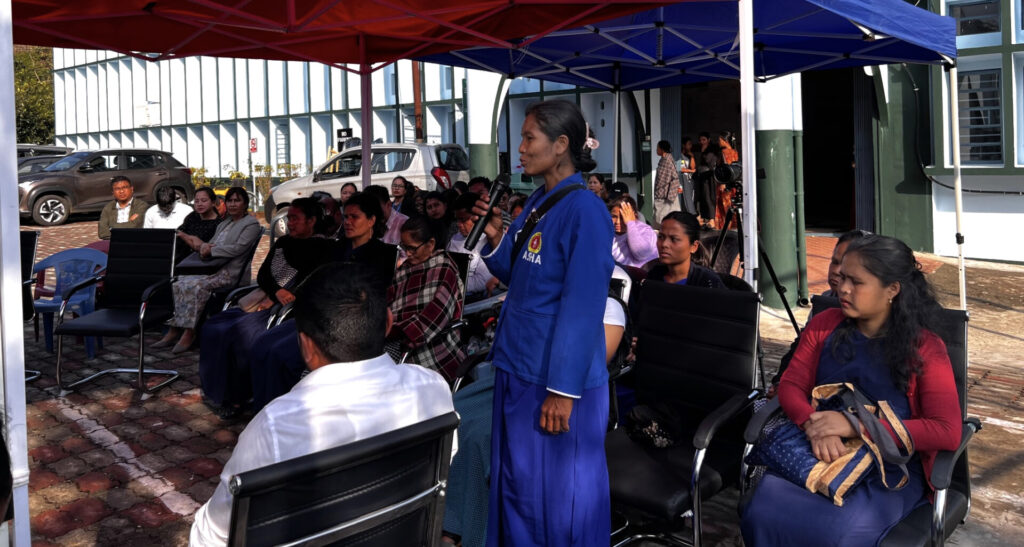
Interactions at Nongtalang reflected both progress and systemic challenges. Community leaders raised concerns about the shortage of doctors, the condition of sub-centres, and the need for improved infrastructure. Frontline workers, however, highlighted strong community cooperation, improved uptake of institutional delivery, and reduced resistance to immunisation over time.
A particularly striking example came from an ASHA worker who has recorded 12 years without a maternal death, underscoring the critical role of frontline workers in achieving outcomes through consistent follow-up, counselling, and community trust.
The visit also included discussions on strengthening systems beyond service delivery. Issues related to digital platforms, connectivity challenges, and decentralisation of data processes were raised at the block level, pointing to the need for improved infrastructure and flexibility in implementation.
Across both Dawki and Nongtalang, the Human Development Tour reinforces a broader transition in Meghalaya’s development approach. The focus is shifting from expanding systems to ensuring that those systems deliver measurable outcomes. By anchoring this effort in community leadership through the CM Headman Fellowship, the state is attempting to bridge the gap between access and impact.