

GREEN Meghalaya
Grassroot Level Response towards Ecosystem Enhancement and Nurturing
GREEN Meghalaya (Grassroot Level Response towards Ecosystem Enhancement and Nurturing) is the Government of Meghalaya’s flagship Payment for Ecosystem Services (PES) initiative, designed to incentivise community-led forest conservation while recognising the ecological services provided by forests. Launched in June 2022 by the Hon’ble Chief Minister, the programme addresses the unique governance of forests in Meghalaya, where nearly 95 percent of forest land is owned and managed by communities. Instead of relying solely on afforestation, GREEN Meghalaya rewards communities and individual forest owners for protecting existing natural forests, making conservation both environmentally sustainable and economically beneficial.
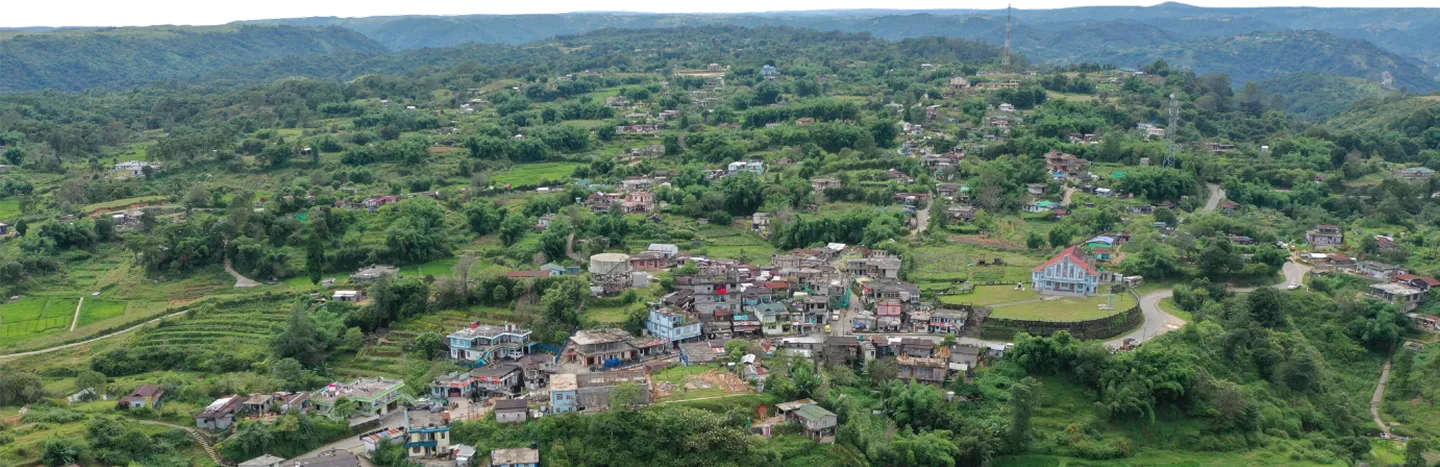
The initiative was introduced in response to the continued loss of forest cover in the state, with the India State of Forest Report (ISFR) 2021 recording a decline of 72.72 square kilometres compared to 2019. Recognising that community ownership requires community-driven solutions, the programme provides direct financial incentives to forest owners who commit to conserving their natural forests for at least 30 years. Eligible applicants must own a minimum of two hectares of natural forest, while additional incentives are available for forests recognised as Community Reserves, forests managed under Autonomous District Council Working Schemes, very dense forests, Sacred Groves, Living Root Bridges, eco-sensitive zones, and wildlife corridors.
GREEN Meghalaya adopts a structured Payment for Ecosystem Services model that combines conservation financing with long-term ecological stewardship. Beneficiaries receive a base financial assistance of ₹8,000 per hectare per year, with additional incentives of up to ₹5,000 per hectare for recognised community reserves or working schemes and ₹2,000 per hectare for forests possessing significant ecological or cultural value. The programme initially provides support for five years, with the first year financed under the Community-Led Landscape Management Project (CLLMP) and the remaining four years funded by the Government of Meghalaya.
The scheme goes beyond financial support by establishing a comprehensive framework for sustainable forest management. Funds are utilised for activities such as forest boundary demarcation, assisted natural regeneration, nursery development, gap filling, forest protection squads, fire prevention measures, soil and moisture conservation, preparation of forest management plans, and biodiversity conservation. From the second year onwards, a portion of the funding is also allocated for community development initiatives, including improvements to local infrastructure such as footpaths, schools, and community halls, ensuring that conservation generates tangible social and economic benefits for local communities.
Implementation follows a transparent process involving application, site verification, beneficiary orientation, signing of Memoranda of Understanding, fund disbursement, monitoring, utilisation certification, and periodic inspections. Dedicated GREEN Field Associates (GFAs) and Village Community Facilitators (VCFs) support communities throughout implementation, monitor compliance with conservation commitments, maintain records, and verify progress before subsequent funding is released. This monitoring framework ensures accountability while strengthening local capacity for long-term ecosystem management.
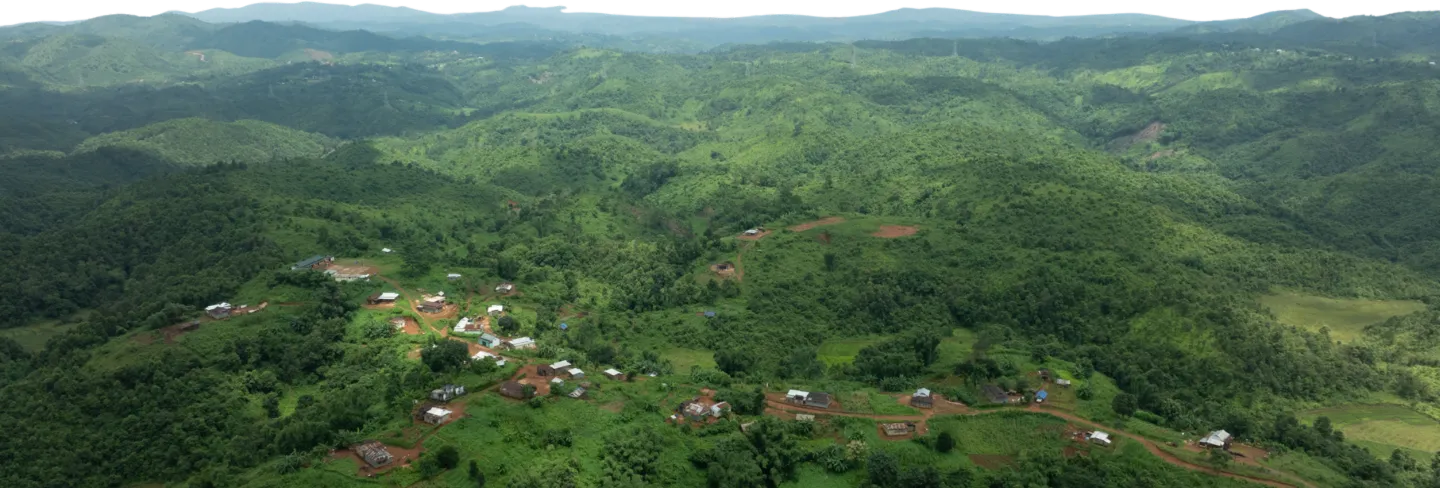
The programme has demonstrated significant early progress. During its first phase, GREEN Meghalaya supported 891 beneficiaries across 642 villages, covering more than 17,000 hectares of natural forests with financial assistance exceeding ₹14 crore. Encouraged by strong community participation, the Government expanded the initiative through a second phase, supported by 47 GREEN Field Associates, with more than 1,700 additional applications received for verification. The programme also aims to digitise all beneficiary information through a GIS platform to strengthen monitoring, planning, and evidence-based forest management.
Ultimately, GREEN Meghalaya represents an innovative approach to environmental governance that aligns conservation with livelihoods. By recognising forests as providers of essential ecosystem services and rewarding the communities that have protected them for generations, the initiative strengthens biodiversity conservation, climate resilience, water security, and sustainable rural development. At the same time, it reinforces Meghalaya’s longstanding tradition of community stewardship, demonstrating how local leadership and financial incentives can work together to safeguard the state’s rich natural heritage for future generations.