

Mission 1000 Days
Giving Every Child the Best Start in Life
The starting point
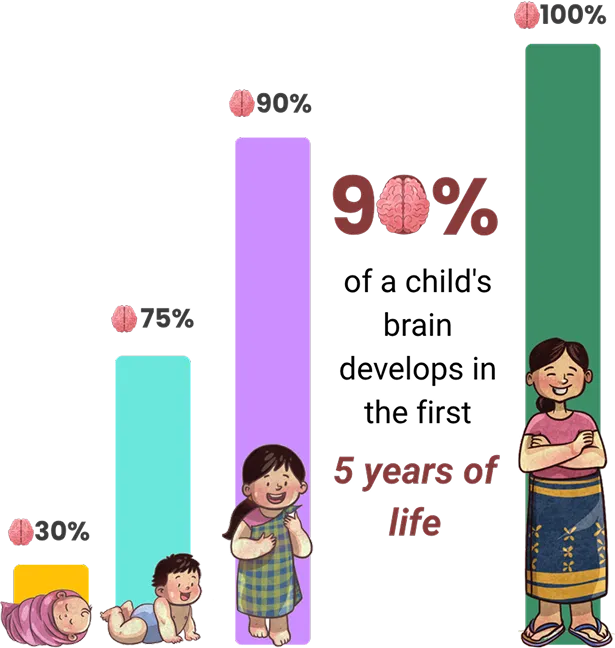
The first 1,000 days of a child’s life—from conception until the age of two—are the most critical period for physical growth, brain development and lifelong health. It is during this window that proper nutrition, responsive caregiving and quality health services have the greatest impact on a child’s future. Recognising this, the Government of Meghalaya has launched Mission 1000 Days, a statewide initiative to reduce stunting and undernutrition by supporting mothers, infants and young children during this crucial stage of life.
Mission 1000 Days is built on evidence from Meghalaya, which shows that many children are born healthy but begin to experience growth faltering within the first few months of life. Challenges such as ineffective breastfeeding, poor complementary feeding practices after six months, limited maternal nutrition and inadequate early stimulation contribute to poor nutritional and developmental outcomes. The Mission addresses these challenges through a comprehensive, community-centred approach that combines improved services with behaviour change and family support.
How Mission 1000 Days Works
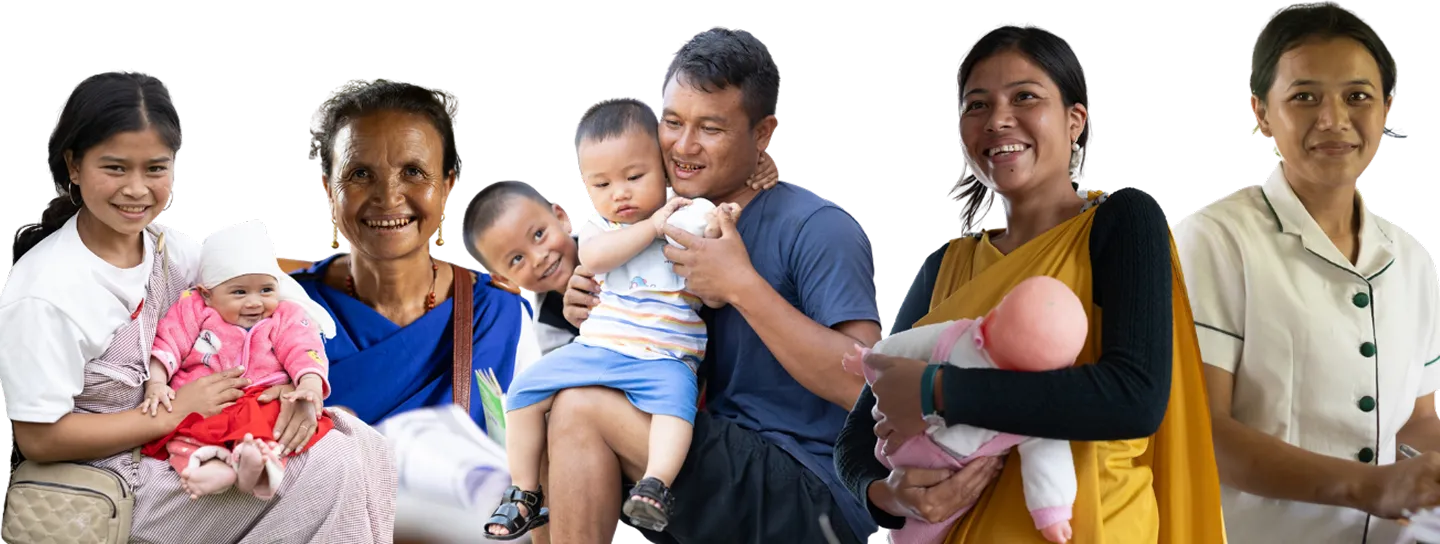
Mission 1000 Days brings together the Health Department, ICDS, Self Help Groups (SHGs), Village Organisations, community leaders and frontline workers to ensure that every mother and child receives the knowledge, care and support they need.
The Mission focuses on five key areas:
Improving maternal nutrition by ensuring pregnant and lactating mothers receive nutritious meals and counselling.
Supporting effective breastfeeding, with practical coaching for mothers from hospitals through postnatal home visits.
Promoting healthy complementary feeding by encouraging diverse, locally available nutritious foods for children after six months of age.
Encouraging early stimulation and responsive caregiving to support healthy brain development.
Strengthening growth monitoring so that children at risk of malnutrition are identified early and receive timely support.
A Whole-of-Community Approach
Mission 1000 Days goes beyond health facilities. Across Meghalaya, mothers participate in village-based skill workshops where experienced mothers, trained frontline workers and community resource persons share practical knowledge on breastfeeding, infant feeding and newborn care. Self Help Groups prepare nutritious demonstration meals using locally available ingredients, while churches, village headmen and community institutions help spread awareness about the importance of nutrition during the first 1,000 days. Fathers and other family members are also encouraged to participate, recognizing that healthy child development is a shared responsibility.
Within health facilities, mothers receive hands-on breastfeeding support before discharge, while digital learning resources, Mother & Baby Kits and the Child App provide continued guidance and follow-up after they return home. Frontline workers use regular growth monitoring to identify children showing signs of growth faltering and connect vulnerable families with targeted nutritional support.
The Five Pillars of Mission 1000 Days
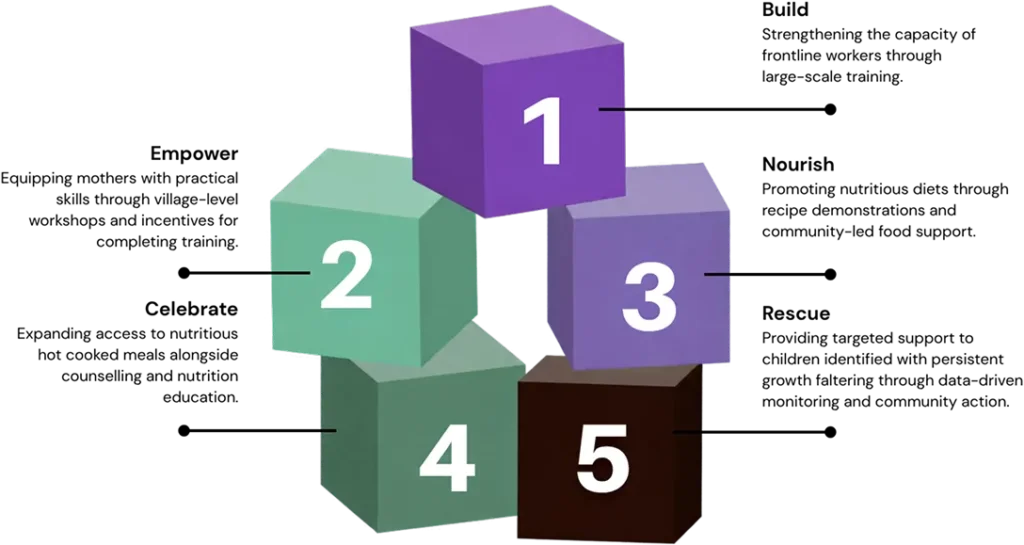
Implementation across the state is guided by a five-pillar framework:
Towards a Healthier Meghalaya
Mission 1000 Days represents Meghalaya’s commitment to ensuring that every child has the opportunity to grow, learn and thrive. By combining evidence-based interventions, stronger frontline services, digital innovation and active community participation, the Mission aims to improve nutrition, reduce stunting and lay the foundation for healthier families and stronger communities across the state.