
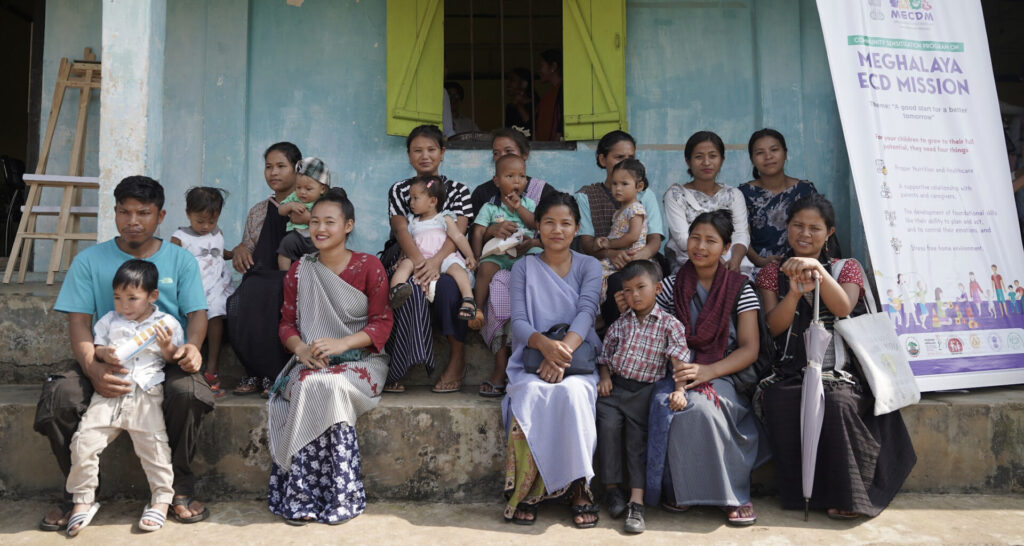
A delegation from the Government of Telangana and the Asian Development Bank (ADB) visited Ri Bhoi district to observe Meghalaya’s community-driven approach to Early Childhood Development (ECD), gaining first-hand insights into how convergence, community ownership, and local leadership are being leveraged to improve outcomes for young children and families.
The visit brought together senior government officials, development practitioners, community leaders, frontline workers, and members of the Meghalaya Early Childhood Development Mission (MECDM), providing an opportunity to showcase innovative approaches that are strengthening child development at the village level.
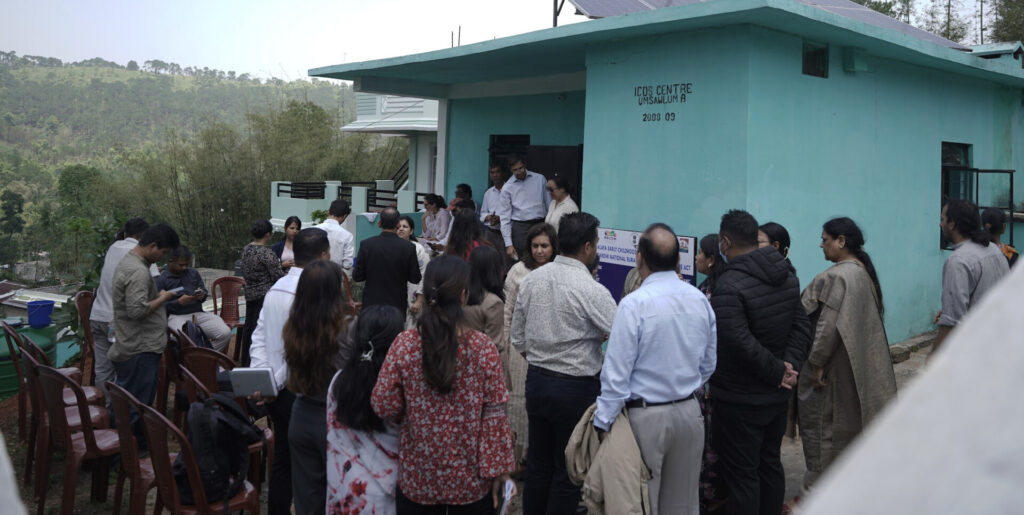
Among those present were Smt. D. Anasuya Seethakka, Minister for Panchayat Raj & Rural Development, Women & Child Welfare, Government of Telangana; Smt. Anita Ramachandran, IAS, Secretary to Government of Telangana, Department for Women, Children, Disabled and Senior Citizens; Shri. Sampath Kumar, IAS, Additional Chief Secretary, Government of Meghalaya; representatives from the Asian Development Bank; district and block officials; community leaders; and members of the ECD Fellowship Programme.
Strengthening Anganwadi Centres as Community Spaces
The visit began at the upgraded Anganwadi Centre in Umsawlum B, where participants observed how convergence across departments and community institutions is being used to strengthen early childhood services.
Discussions highlighted the role of cluster meetings, Community Cadre (CC) meetings, learning sessions facilitated by ANMs and Lady Supervisors, and the importance of last-mile convergence at the Anganwadi Centre. Community members shared how the centre serves not only as a service delivery point but increasingly as a platform for collective action around child development.
Participants noted that many children currently attend both preschool and the Anganwadi Centre, reinforcing the need to strengthen Anganwadis as child-friendly learning spaces where play, interaction, and early stimulation are central to a child’s development journey.
The visit also highlighted the role of ECD Fellows and the Chief Minister’s Headman Fellowship in mobilising communities and supporting frontline workers to improve outcomes for children and families.
Community Ownership at the Heart of Development
The delegation later travelled to Rtiang Village, where community members, village leaders, Self-Help Groups, ECD Fellows, and frontline workers came together to demonstrate how local institutions are driving change.
The Development Commissioner, Government of Meghalaya, welcomed the visiting delegation and emphasised the importance of knowledge partnerships in advancing Meghalaya’s Human Development agenda. He highlighted that meaningful improvements in child development require the active participation of parents, community members, SHGs, traditional leaders, and local institutions working together around a shared vision for children.
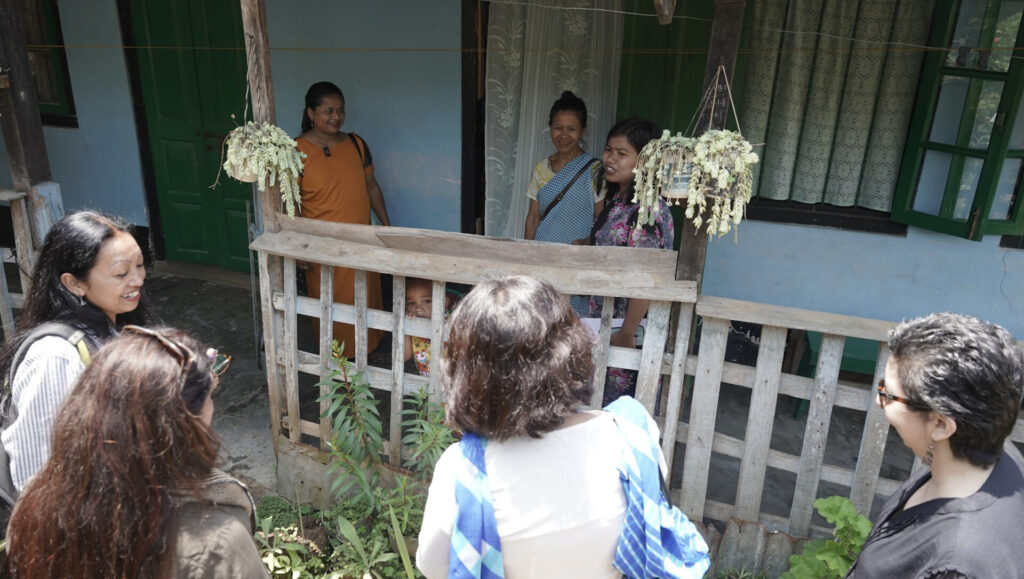
The gathering also provided a snapshot of the village’s development landscape. Community representatives shared that eight high-risk pregnant women had been identified and linked for support, thirteen Self-Help Groups with over one hundred members were actively functioning, Village Health Councils were engaged in community mobilisation efforts, and eight school dropouts had been identified for follow-up interventions.
These examples reflected the broader ECD approach of identifying issues early, strengthening community systems, and ensuring that families receive support throughout the life cycle.
Understanding the Life Cycle Approach
At the community hall, participants engaged in an interactive session demonstrating the ECD life-cycle approach, illustrating how investments made during infancy and early childhood influence outcomes throughout adolescence, adulthood, and later life.
The discussion reinforced key messages around exclusive breastfeeding during the first six months of life, complementary feeding from six months onwards, dietary diversity, responsive caregiving, and the importance of nurturing environments for young children.
Community members also observed demonstrations on play-based learning and age-appropriate child stimulation activities, showcasing how simple, everyday interactions can significantly contribute to children’s cognitive, emotional, and social development.
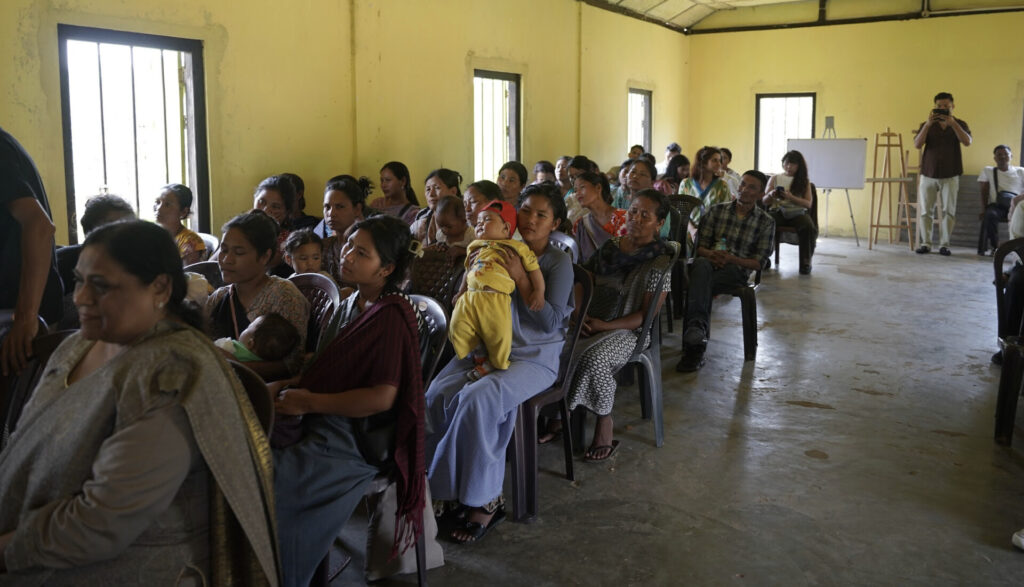
A particularly engaging session was led by members of the ECD Fellowship Programme, who demonstrated father engagement activities designed to encourage greater involvement of fathers in caregiving and child development. Through practical demonstrations tailored to different age groups, participants explored how fathers can support their children’s growth from infancy through the early years.
A Model Generating National Interest
Speaking during the visit, Smt. Anita Ramachandran, IAS, Secretary to Government of Telangana, highlighted the importance of Early Childhood Development as a foundation for lifelong wellbeing and acknowledged Meghalaya’s efforts in building innovative, community-centred systems to address child development challenges.
She noted that the approaches and lessons emerging from Meghalaya’s ECD initiatives offer valuable insights that could inform similar efforts elsewhere, and that learnings from the state would be adapted and explored within the Telangana context.
Her remarks reflected a growing recognition of Meghalaya’s work as an example of how integrated systems, local leadership, and community participation can come together to improve human development outcomes.
Investing in the First 1,000 Days
Addressing the gathering, Smt. D. Anasuya Seethakka, Minister for Panchayat Raj & Rural Development and Women & Child Welfare, Government of Telangana, underscored the importance of the first 1,000 days of a child’s life, describing it as a critical window that shapes long-term health, learning, emotional resilience, and overall wellbeing.
She highlighted that investments during this period influence not only physical growth but also brain development, learning capacity, and the social and emotional skills that children carry into adulthood.
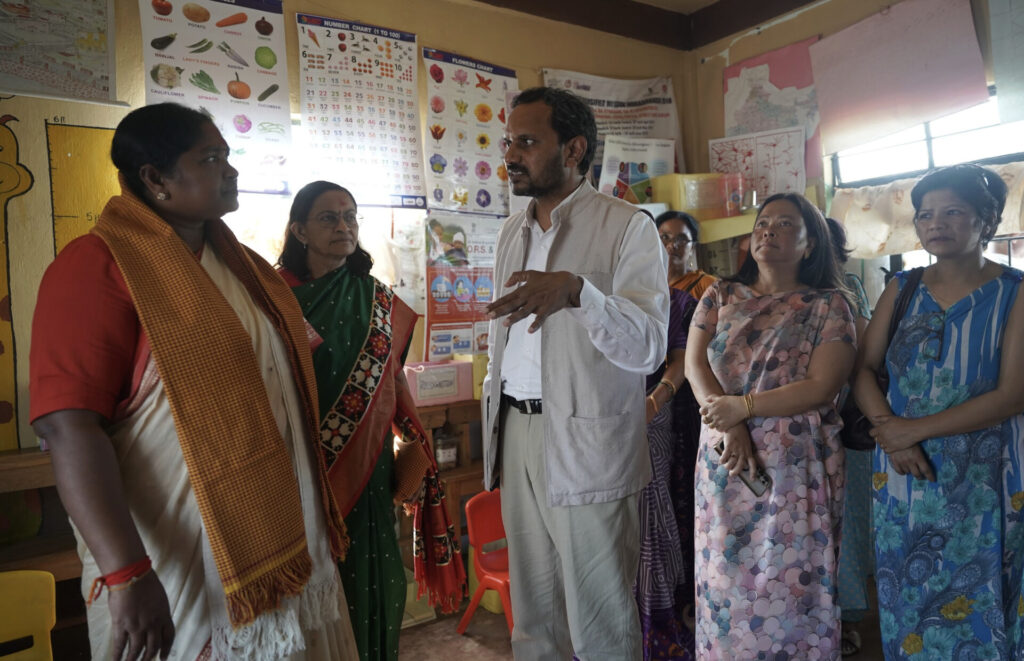
The Minister also stressed the value of play-based learning as an essential element of early childhood care. She noted that play serves as a powerful tool for nurturing curiosity, creativity, confidence, social interaction, problem-solving abilities, and motor development. Creating environments that support responsive caregiving, early stimulation, and interactive learning, she said, is fundamental to helping children reach their full potential.
Drawing from the discussions and demonstrations witnessed during the visit, she reaffirmed that integrated approaches that combine nutrition, caregiving, early learning, and community participation are essential to building healthier and more capable generations.
Building Stronger Futures Together
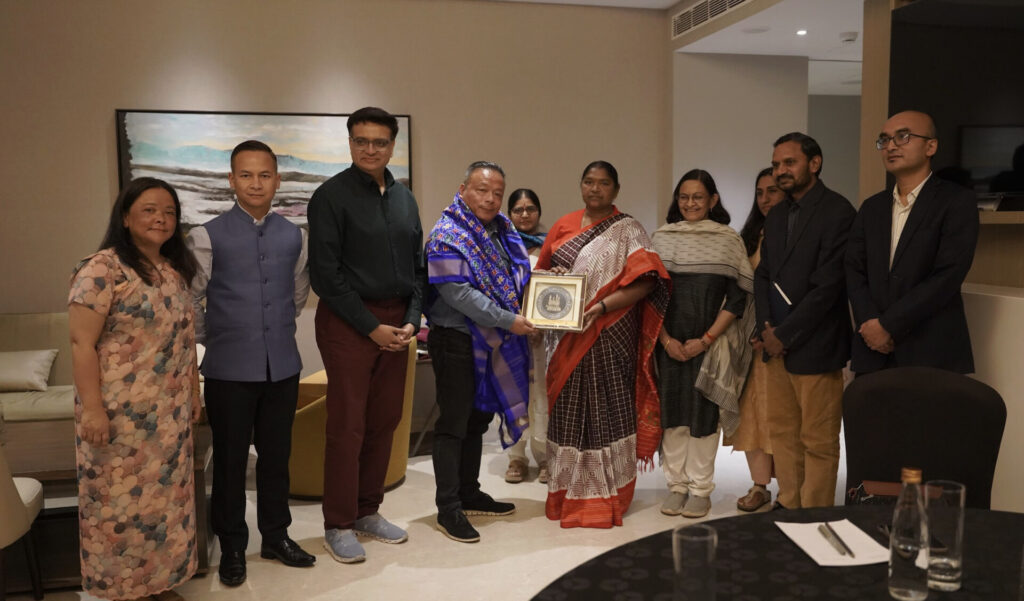
The visit concluded with interactions between community members, frontline workers, ECD Fellows, and the visiting delegation, offering an opportunity to reflect on lessons learned and explore future collaborations.
The exchange highlighted the growing importance of community-led approaches in improving human development outcomes. More importantly, it demonstrated that sustainable change is possible when government institutions, frontline workers, community organisations, traditional leaders, and families work together to create nurturing environments for children.
As Meghalaya continues to strengthen its Early Childhood Development ecosystem, visits such as these provide an opportunity not only to share innovations and experiences but also to build partnerships that can advance the wellbeing of children across states and communities.
The visit served as a reminder that investments in children today are investments in stronger, healthier, and more prosperous societies tomorrow.