

Chief Minister’s Headman Fellowship Brings Traditional Institutions to the Centre of Meghalaya’s Human Development Agenda
The Chief Minister’s Headman Fellowship (CMHF) continues to strengthen the role of traditional institutions in advancing Meghalaya’s Human Development agenda, bringing together village leaders, community members, frontline workers, and government officials to address some of the state’s most pressing health and development challenges.
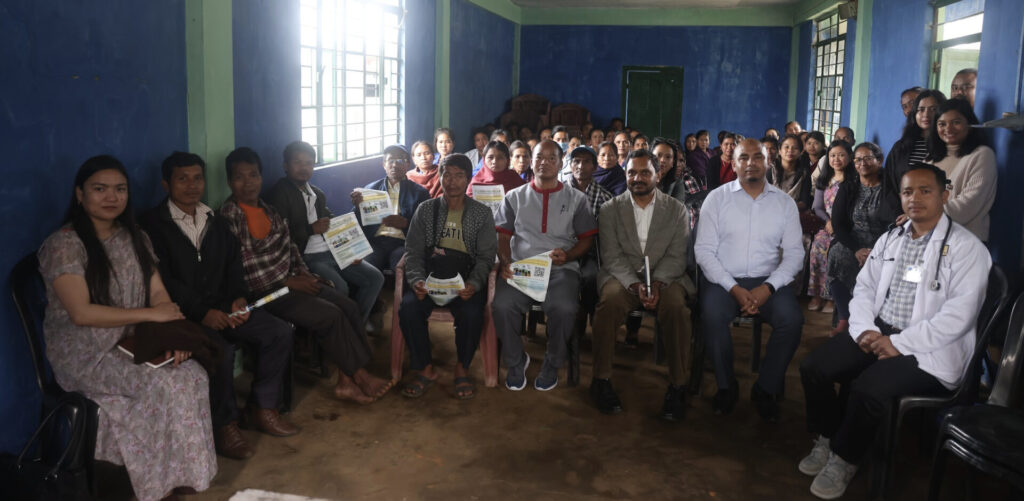
As part of this effort, the Additional Chief Secretary and Development Commissioner, Government of Meghalaya, visited Khrang Village in East Khasi Hills to engage directly with community leaders and residents on issues relating to maternal health, early childhood development, nutrition, and preventive healthcare. The visit formed part of a broader initiative aimed at revitalising Village Health Councils (VHCs), strengthening community ownership, and building a mass movement around public health and decentralized governance.
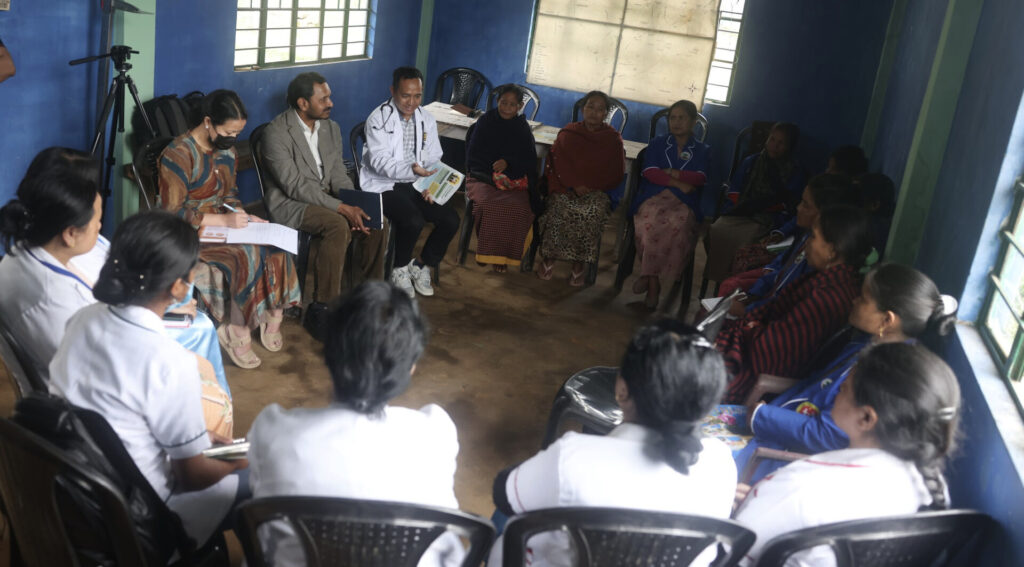
Traditional Leadership as a Catalyst for Change
The programme began with a sensitisation session on the Chief Minister’s Headman Fellowship Programme, recognising the pivotal role played by headmen and traditional institutions in influencing community behaviour and mobilising collective action.
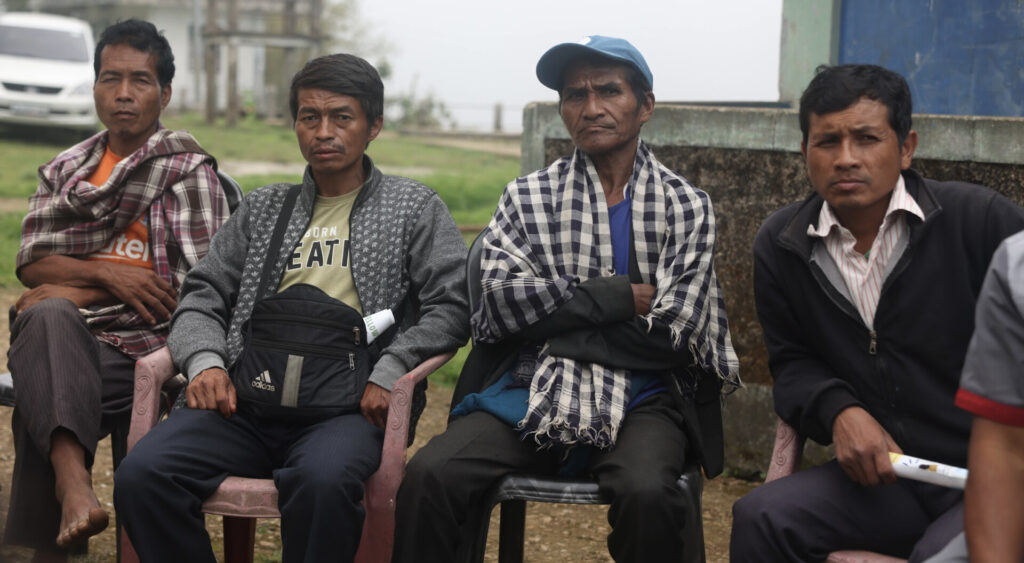
Addressing the gathering, the Development Commissioner highlighted three key human development priorities that require community leadership and participation:
- Saving mothers and reducing maternal mortality.
- Strengthening early childhood development through better nutrition, caregiving, and stimulation during the first 1,000 days.
- Reducing the growing burden of non-communicable diseases.
The discussion reinforced a central principle of the CMHF programme: sustainable improvements in human development can only be achieved when communities themselves become active partners in identifying challenges and driving solutions.
Learning from Community Realities
Prior to the community interaction, discussions were held with healthcare providers at the local Primary Health Centre to understand existing challenges and successes within the health system.
Health officials reported encouraging progress, including the absence of maternal deaths in recent years, which they attributed to stronger monitoring and improved follow-up systems. At the same time, several challenges were identified, including continued reliance on traditional birth attendants in some cases, delays in referrals during complicated deliveries, low awareness of health insurance schemes, weak birth registration systems, and hesitation among some families to seek institutional healthcare due to concerns around surgical interventions and travel costs.
These conversations underscored the importance of strengthening trust between communities and health systems while ensuring that families have the information and support necessary to make informed decisions.
Understanding Community Perspectives
A key feature of the visit was a series of focused group discussions involving headmen, women representatives, community members, and local institutions.
The discussions provided valuable insights into how traditional beliefs, cultural practices, livelihoods, and social norms influence health-seeking behaviour within communities.
Headmen emphasised the important role played by traditional institutions and customary practices in maternal care and childbirth. They described how family and clan structures often influence decisions during pregnancy and delivery and highlighted the need for respectful engagement between modern healthcare systems and traditional community structures.
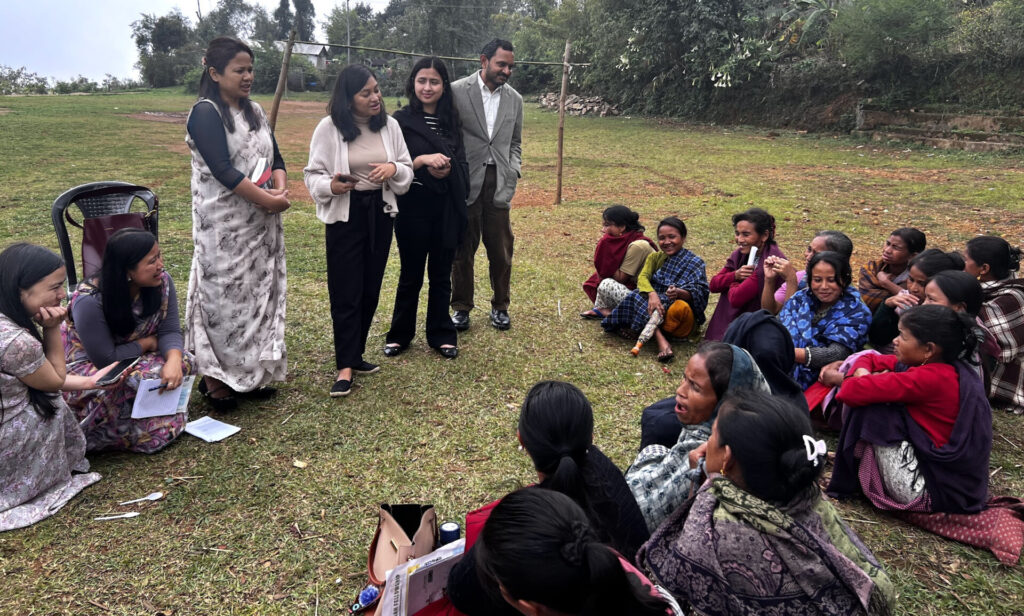
The discussions also revealed the close relationship between livelihoods and health. Community leaders repeatedly pointed to poverty and limited incomes as underlying factors affecting nutrition, healthcare access, and overall wellbeing.
Participants stressed that when households struggle economically, decisions about food, healthcare, and nutrition become significantly more difficult. Poor road connectivity was also identified as a major challenge, particularly during medical emergencies when timely access to healthcare facilities can become a matter of life and death.
Women’s Voices and Everyday Challenges
Separate discussions with women representatives provided important insights into the realities faced by mothers and caregivers.
Participants shared that fear of medication during pregnancy, limited dietary diversity, delayed disclosure of pregnancy, and continued preference for traditional birth attendants remain common in many communities. Several cultural beliefs and practices continue to shape maternal and child health behaviours, including infant feeding practices and decisions around antenatal care.
Women also highlighted the challenges of balancing household responsibilities during pregnancy, often receiving limited opportunities for rest and recovery. At the same time, they expressed a willingness to engage in conversations around improved nutrition, maternal care, and child development.
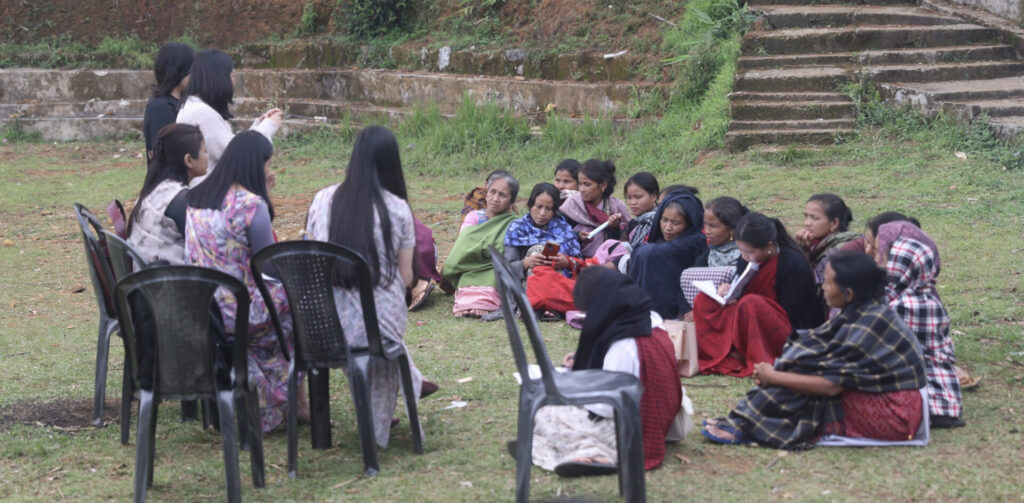
Importantly, community members demonstrated openness to learning and adapting practices that support better outcomes for mothers and children while preserving positive aspects of their cultural traditions.
The discussions also focused on Early Childhood Development (ECD), particularly the importance of the first 1,000 days of life, from conception to a child’s second birthday.
Community members were sensitised on maternal nutrition, exclusive breastfeeding, complementary feeding, responsive caregiving, play, and early stimulation. The conversations highlighted how investments made during pregnancy and early childhood influence lifelong health, learning, and wellbeing.
The session reinforced the message that child development begins long before a child enters school and that parents, caregivers, communities, and traditional leaders all have a role to play in creating nurturing environments where children can thrive.
The visit concluded with a discussion on practical actions that can be taken to address the issues identified by the community.
Among the priorities highlighted were strengthening awareness among traditional birth attendants, improving referral systems during high-risk pregnancies, addressing misconceptions around institutional deliveries, increasing enrolment under health insurance schemes, and expanding efforts around birth registration and Aadhaar enrolment.
The discussions also underscored the need for continued engagement with headmen, clan elders, and community leaders to ensure that health interventions are locally relevant, culturally sensitive, and community-owned.
The visit to Khrang Village demonstrated the value of the Chief Minister’s Headman Fellowship Programme as a platform for bringing government systems and traditional institutions together around a shared development agenda.
More importantly, it highlighted that improving maternal health, nutrition, early childhood development, and preventive healthcare is not solely the responsibility of government departments. It requires the active participation of communities, families, traditional leaders, and local institutions working together towards common goals.
As Meghalaya continues to invest in human development, the Chief Minister’s Headman Fellowship is helping create a new model of community leadership, one where traditional institutions are not only custodians of culture and custom but also champions of healthier, stronger, and more resilient communities.