
Mawdiangdiang, East Khasi Hills: What happens before a child enters school can shape the course of their life. This message came alive at the HDLP–Early Childhood Development (ECD) Community Meeting held at the Mawdiangdiang Community Hall on 18 August 2026.
The community meeting brought together parents and caregivers of young children, fathers, children, frontline workers, Self-Help Group members and community institution leaders, creating a shared space to understand how families and communities can support children’s development from the earliest years.
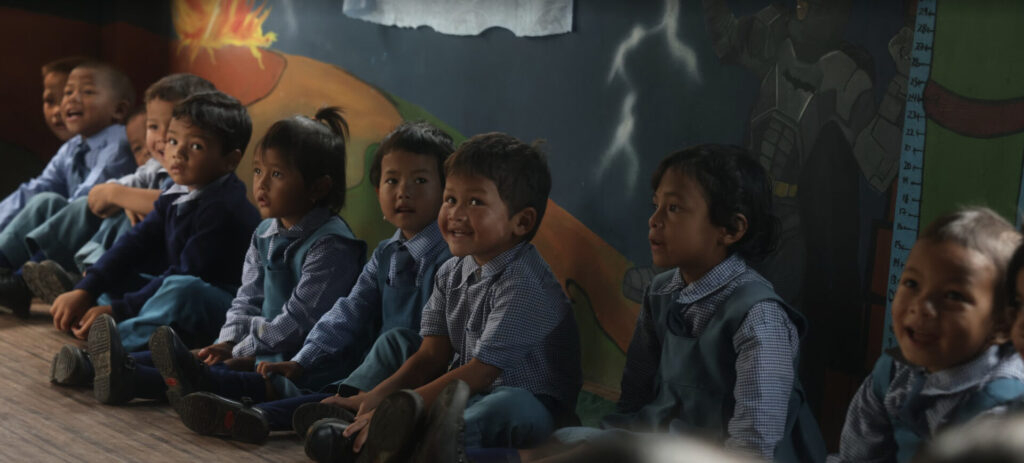
The meeting focused on a simple but powerful idea: every child deserves the opportunity to reach their full potential, and that journey begins long before school.
One of the key activities was an interactive Life-Cycle Approach, where community volunteers followed a simulated journey from pregnancy through early childhood, adolescence and adulthood. Participants drew cards representing different experiences and opportunities at each stage of life. As the activity progressed, the volunteers moved closer to—or further from—a line representing “Full Potential.”
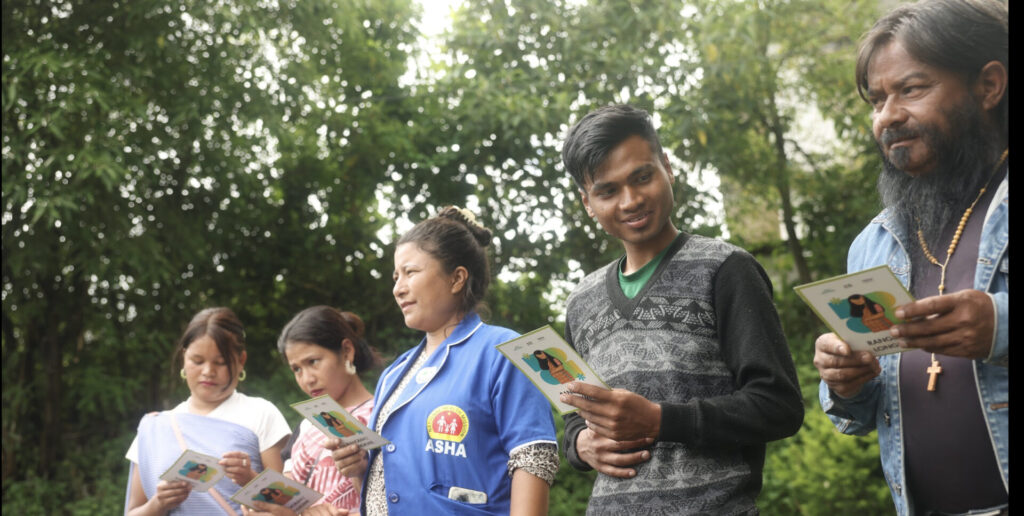
The activity encouraged participants to reflect on why people can have different life outcomes and how experiences at one stage can influence the next.
The discussion brought out an important message:
“What happens during pregnancy affects childhood. Childhood affects adolescence. Adolescence affects adulthood.”
The activity also introduced the idea of the intergenerational cycle of poverty and opportunity—how disadvantages can be passed from one generation to another, but also how positive decisions, support and services can help change that cycle.
The session ended on a hopeful note: the cycle can be changed. When families, communities and government services work together, children can be given a stronger start and greater opportunities to reach their full potential.
Why the Early Years Matter
The meeting then turned its focus to the early years of a child’s life and the rapid development that takes place during this period.
Through a visual activity on brain growth, participants explored how experiences during pregnancy and the first five years can influence how children grow, learn, communicate, play and relate to others.
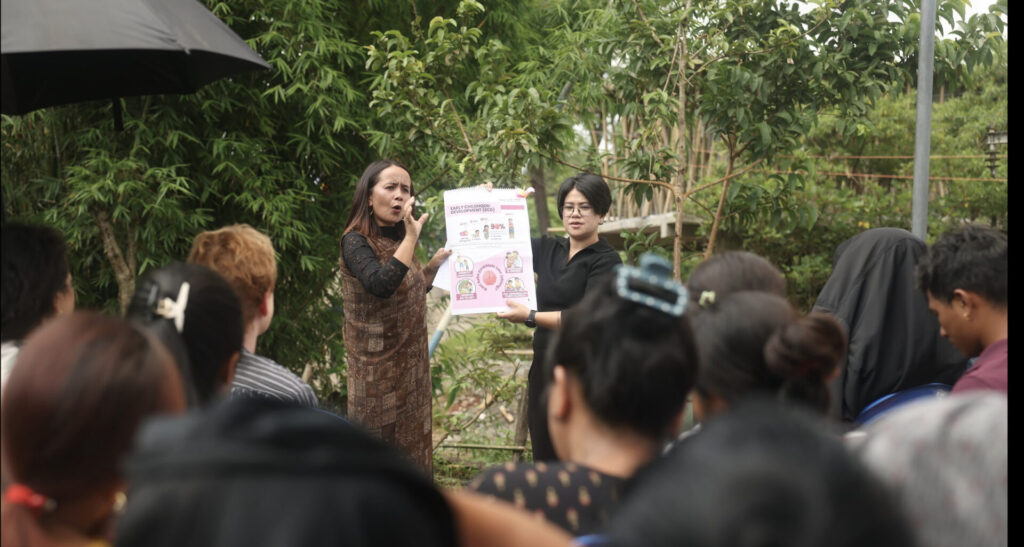
The session highlighted that 90% of brain growth happens during the first five years of life, reinforcing the importance of providing young children with nurturing care, good nutrition, protection, stimulation and opportunities to learn from an early age.
For parents and caregivers, this was also a reminder that everyday actions matter. Feeding, talking, responding to a child, keeping them safe, taking them for health check-ups and spending time together all contribute to a child’s development.
Learning Through Play
The meeting also demonstrated that learning does not always require formal classrooms or expensive learning materials.
During the Learning Through Play activity, adults and children participated in a simple number-and-pebble game. Children counted stones and matched them with adults holding corresponding numbers.
Through this simple activity, participants experienced how children can learn through seeing, touching, counting, moving and interacting.
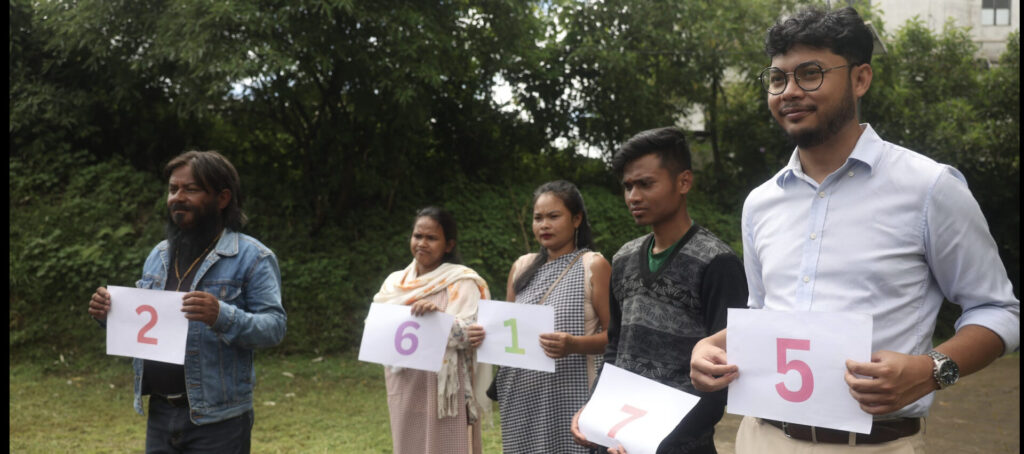
The session emphasised that play is much more than entertainment. Through play, children can develop their ability to think, explore, communicate, solve problems and learn.
Importantly, families do not need expensive toys to create learning opportunities. Everyday materials such as stones, leaves, sticks and household objects can become simple tools for learning and exploration.The meeting encouraged participants to take these ideas beyond the community hall and into their homes.
Participants discussed whether community institutions such as the Village Health Committee (VHC), Village Organisation (VO) and Self-Help Groups (SHGs) could organise similar learning sessions regularly, creating more opportunities for parents and caregivers to learn from one another.