

Resubelpara, September 22, 2026: Strengthening healthcare infrastructure, improving maternal and newborn care, expanding access to essential diagnostics and deepening community participation were among the key priorities discussed during the North Garo Hills District Health Review Meeting held at the Deputy Commissioner’s Office on September 22, 2026.
The review assessed healthcare delivery across district facilities and outlined follow-up measures to strengthen hospital infrastructure, improve service readiness and enhance coordination between health services and community-based institutions.
Strengthening District Hospital Infrastructure
A key focus of the review was the completion and operationalisation of the District Civil Hospital at Resubelpara. The district administration and concerned departments were directed to prioritise the remaining infrastructure and service-readiness requirements, with the hospital targeted for operational readiness and inauguration before Christmas 2026.
The planned improvements include making an additional operation theatre functional, ensuring air-conditioning facilities across hospital rooms, completing the oxygen pipeline and manifold infrastructure, and prioritising oxygen supply to the Special Newborn Care Unit (SNCU), also referred to in the review as the Aspirational NICU, and the Intensive Care Unit (ICU).
The meeting also emphasised the importance of completing the Effluent Treatment Plant (ETP) and examining the sewage treatment approach implemented in South Garo Hills for possible replication. The recruitment of a dedicated electrical engineer was identified as another priority to support maintenance, electrical safety and the timely resolution of technical issues.
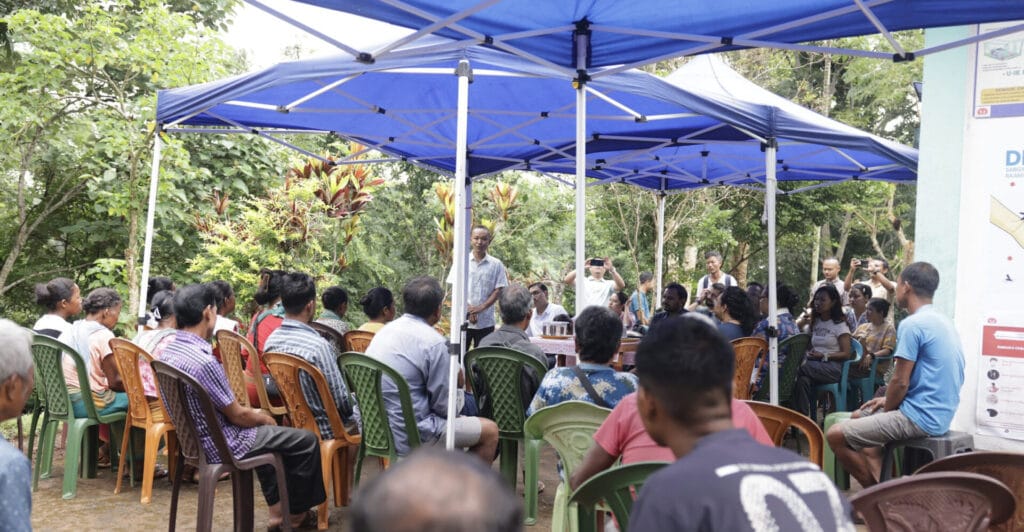
Human resource planning was also discussed, including the deployment and capacity-building of staff currently available at Resubelpara Community Health Centre (CHC), which is expected to function as an urban health facility following the proposed reorganisation of services.
These measures are intended to strengthen hospital readiness and support the delivery of essential healthcare services closer to communities in North Garo Hills.
Expanding Maternal and Newborn Healthcare
The review placed particular emphasis on improving access to antenatal care, ultrasound services, institutional deliveries and emergency obstetric care.
At Dainadubi PHC, ultrasound services are being used to support antenatal care, particularly for high-risk pregnancies. The review highlighted the importance of ensuring that every pregnant woman receives ultrasound examinations during the recommended windows of the 22nd–26th week and the 32nd–36th week of pregnancy, as discussed during the meeting.
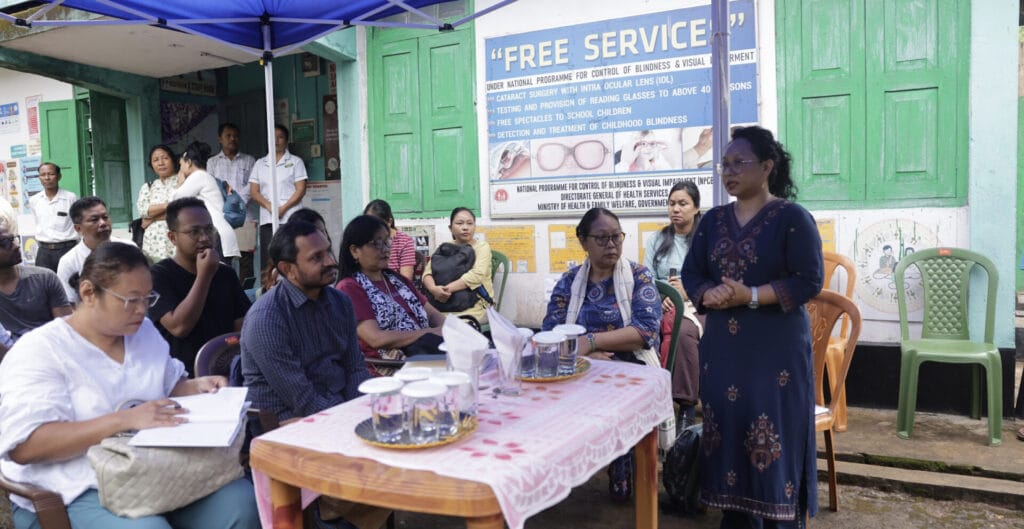
At Bajengdoba PHC, plans are underway to strengthen infrastructure and prepare the facility for an upgrade to a Community Health Centre and a First Referral Unit (FRU). The proposed improvements include procuring an ultrasound machine, ensuring the availability of trained personnel and strengthening emergency obstetric services. The transfer of a Medical Officer from Rari PHC was also identified as an immediate action to support staffing requirements. The review further discussed the ongoing upgrade of Karkuta PHC to a CHC, including the proposal to develop its capacity as an FRU and explore the establishment of an aspirational NICU. This would help strengthen access to specialised services for communities in the surrounding areas, including those near the Assam border.
The meeting also highlighted the need to strengthen Rapid Response Teams (RRTs) across PHCs. A recent delivery successfully conducted by the Rari RRT in a hard-to-reach village demonstrated the potential of rapid-response arrangements to support mothers in geographically challenging locations. Efforts to improve the utilisation of transit homes and encourage timely institutional deliveries were also discussed, particularly in areas where home deliveries remain comparatively high.
Strengthening Immunisation and Community Engagement
Community participation emerged as an important component of the district’s healthcare strategy, particularly in improving immunisation coverage and addressing concerns among families.
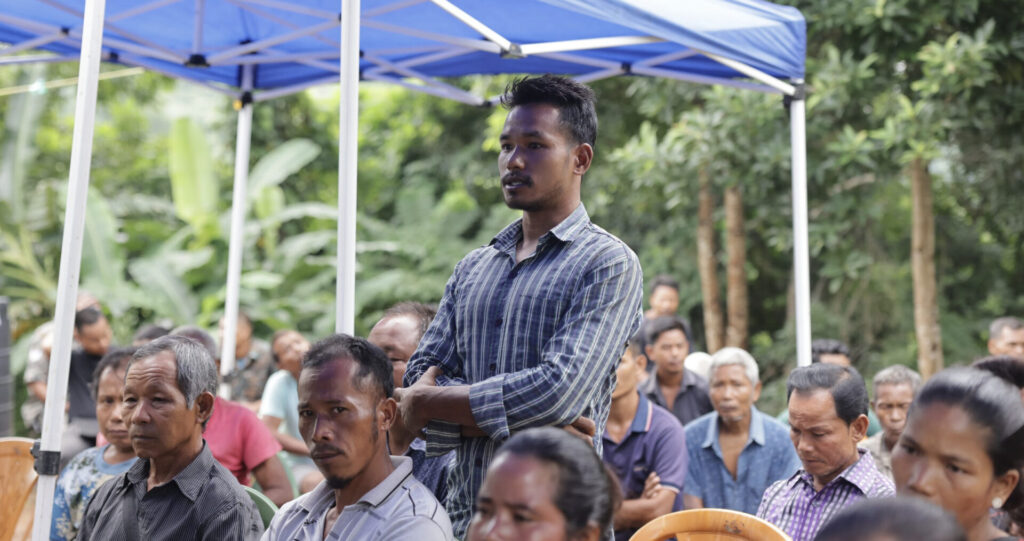
The review discussed the need for stronger awareness and engagement in areas where vaccine hesitancy has been observed. The district administration and health officials will convene meetings with pastors and faith leaders in the identified villages to encourage informed discussions and build community confidence in immunisation services.
The involvement of Village Health Committees (VHCs), Village Organisations (VOs) and Self-Help Groups (SHGs) was also highlighted as an opportunity to strengthen community-level coordination. A proposal to establish WhatsApp groups connecting Village Organisations with PHCs is expected to facilitate communication, improve coordination and support more responsive follow-up at the community level. The meeting also recommended inviting Block Development Officers (BDOs) to sector-level meetings to help address issues requiring coordination across departments.
Integrating Health and Early Childhood Development
The review highlighted the importance of coordinated action between the health system, Integrated Child Development Services (ICDS) and the ECD Mission to improve outcomes for mothers and young children.
Anganwadi Workers (AWWs) are referring cases to the Mission 1000 Days (M1000Ds) programme, while supplementary nutrition through egg meals and immunisation activities are being coordinated to support anaemia management and address Severe Acute Malnutrition (SAM) and Moderate Acute Malnutrition (MAM).
The meeting also discussed enrolling mothers into Self-Help Groups and strengthening the ECD workforce by engaging unemployed nurses from the district on a merit basis. The nurses are proposed to receive training from the IIT Bombay team, as discussed in earlier plans.
Continued convergence between ICDS, the ECD Mission, health facilities and community organisations is expected to support more coordinated care during the critical early years of a child’s development.
The North Garo Hills district review brought together infrastructure planning, frontline healthcare delivery, community participation and interdepartmental coordination under a common focus: strengthening the availability and responsiveness of essential health services. With targeted actions planned for hospital infrastructure, maternal and newborn care, immunisation, diagnostics, essential medicines and community-based support, the review established a set of priorities for follow-up by the district administration and concerned departments.
The focus in the coming months will be on progressing these measures, strengthening coordination across facilities and communities, and improving the readiness of the district’s healthcare system to respond to the needs of its population.
The meeting was attended by the Additional Chief Secretary, Additional Deputy Commissioner, District Medical and Health Officer (DMHO), District School Health Officer, ICDS Officer, Child Development Project Officer (CDPO), Resubelpara, representatives of the Early Childhood Development (ECD) Mission, Medical Officers from various Primary Health Centres (PHCs), and representatives of the Government Innovation Lab (GIL) and State Capability Enhancement Project (SCEP)