
PES
Creating Livelihood while preserving Ecosystems
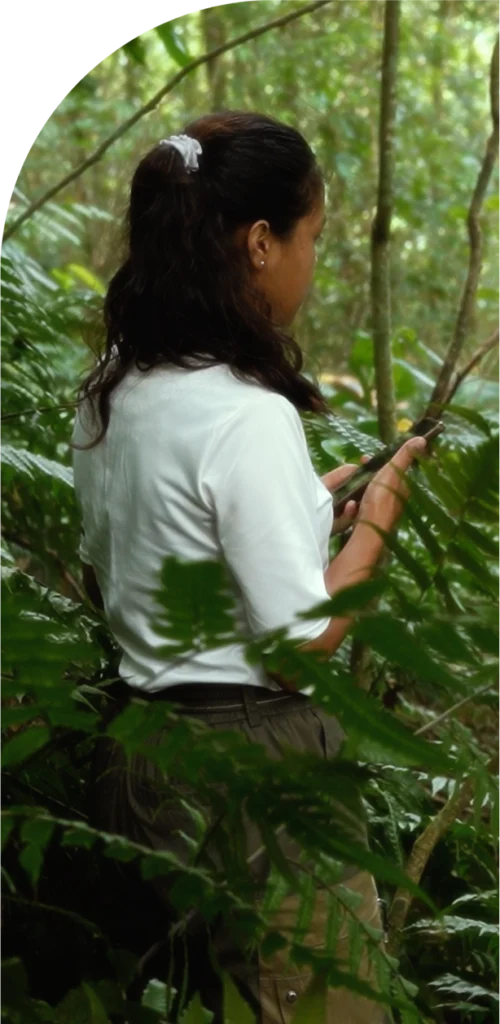
A first-of-its-kind initiative, the Payment for Ecosystem Services (PES) was launched in Meghalaya in 2022. Payment for Ecosystem Services (PES) initiative aimed at addressing the problem of high rates of deforestation due to changes in land use and practices. State departments and agencies identified this issue, prompting action.
Meghalaya has witnessed rapid changes in the land use and land cover in the last three decades. Urbanisation, mining activity, deforestation, plantations of areca nut and other cash crops have adversely altered the natural landscapes causing ecological problems such as drying of springs, soil erosion, water stress, biodiversity loss etc.
Water scarcity in summer months is being faced by increasing number of villages and towns. In this situation, the concept of ‘Payment of ecosystem Services’ can be an effective strategy for motivating the community people to adopt sustainable land use practices for which they are provided monetary incentives based on their adherence to the land management prescriptions and performance-based ecosystem improvement works, which are verified.
The inception report presents a framework for introducing PES approach in the State for addressing the environmental concerns like catchment area degradation by prevention of jhumming, forest conservation, reforestation of degraded forest areas, soil and water conservation measures etc.

Salient features of the proposed
PES framework for the State:
- In the first phase, five activities are proposed to be covered under the PES scheme
- Transition from ‘Jhum’ to improved agriculture practices
- Conservation of existing natural forest
- Reforestation
- Afforestation
- Soil & Water Conservation Measures
- Operational details like, area of operation, eligibility of persons to avail PES, eligible activities, measurement, reporting and verification (MRV) and implementation process has been outlined.
- Implementation framework includes identifying a ‘Designated Implementing Agency (DIA), selection of PES Field Associates (PFA) from the youths from the Communities, training of community persons participating in the PES scheme designated as PES Scheme Participant (PSP), a draft format of the agreement between the DIA and PSP.
- Indicators for verification of the prescribed sustainable management practices by the PSP and confirm additionality have been listed.
- An indicative remuneration norm for the payments after the verification of the prescribed management practices has also been proposed.
540 square kilometers
have been covered out of the targeted 1000 square kilometers
The initiative has shown significant impact, protecting over
10,000 square kilometers
of community and private forests
The Payment for Ecosystem Services (PES) program aims to encompass
500 square kilometers
of these forests within the next five years, benefiting approximately
60,000 households
It is anticipated that around
300,000 individuals
constituting 9% of the population, will directly benefit from this program. The verified area covered under Phase 1 of the initiative reflects tangible progress toward achieving conservation objectives.