HOUSING FOR ALL
Housing for All is one of the Government of Meghalaya’s flagship development missions under its 2023-2028 vision for Social Infrastructure and Human Development. Anchored in Sustainable Development Goal (SDG) 11.1, the initiative seeks to ensure that every rural family has access to adequate, safe, and affordable housing while recognising that housing is closely linked to improved health, education, livelihoods, sanitation, and overall human development. Guided by the One Health approach, the programme views a house not simply as a physical structure, but as the foundation for healthier, more resilient communities. It was identified by the Hon’ble Chief Minister as one of the state’s five priority development targets.
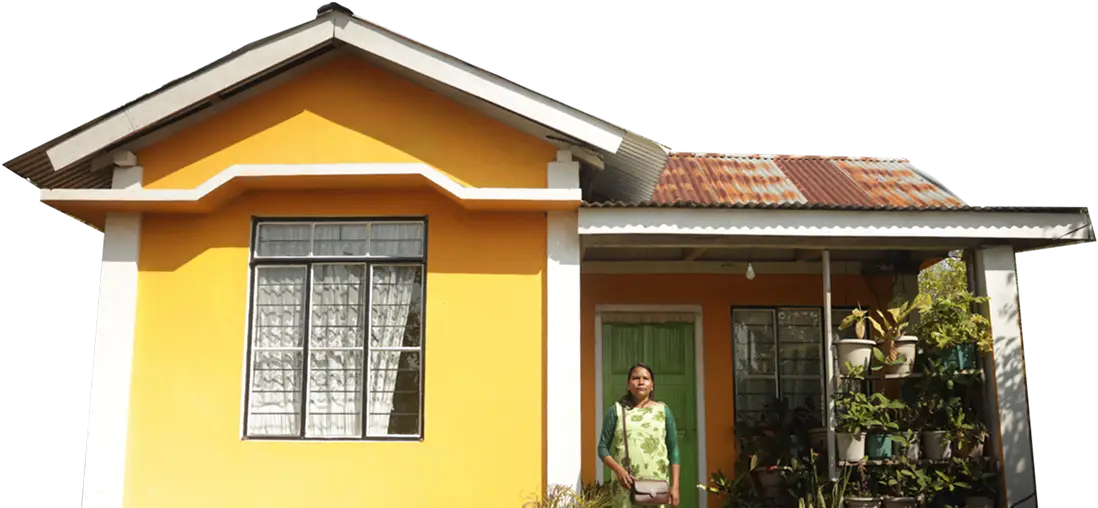
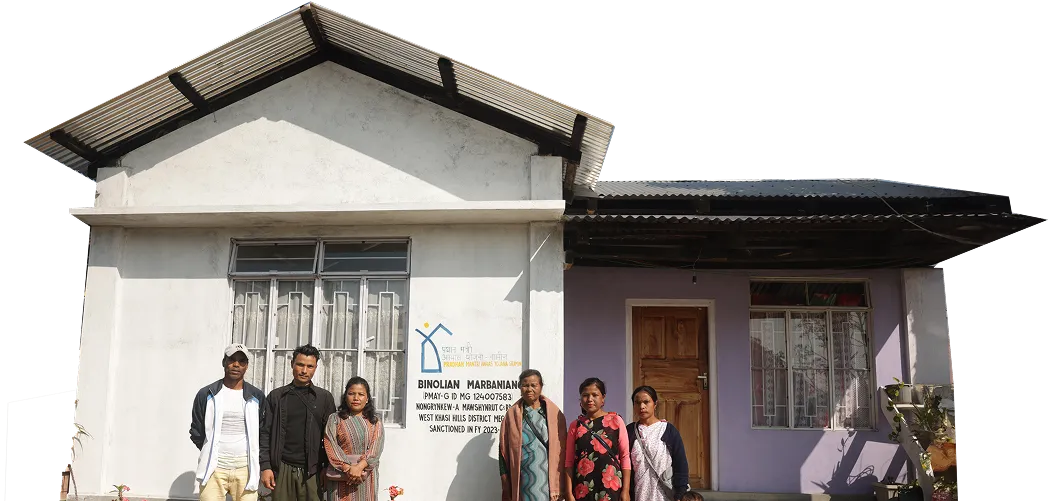
The mission builds upon the Pradhan Mantri Awaas Yojana-Gramin (PMAY-G) and Awaas+ programmes, with an ambitious target of constructing nearly 1.50 lakh houses for rural households within a compressed implementation period. To achieve this, the State Rural Employment Society (SRES) developed a Special Mission that combines strong planning, inter-departmental coordination, community participation, and rigorous monitoring. Priority was given to beneficiaries whose houses were already under construction and had received earlier instalments, ensuring that partially completed homes could be finished quickly while new beneficiaries were simultaneously brought into the programme.
A key feature of the mission is its structured implementation framework, which reorganises housing construction into clearly defined stages with revised financial assistance to accelerate progress. The second instalment was increased to ₹68,000, enabling beneficiaries to complete construction up to the roof-casting stage more efficiently, while the entire construction process was designed to be completed within an ideal period of 95 days, accounting for practical timelines of 120 to 150 days under field conditions. Construction is supported through stage-wise geo-tagging, beneficiary verification, and systematic release of funds linked to physical progress, ensuring transparency and accountability throughout implementation.
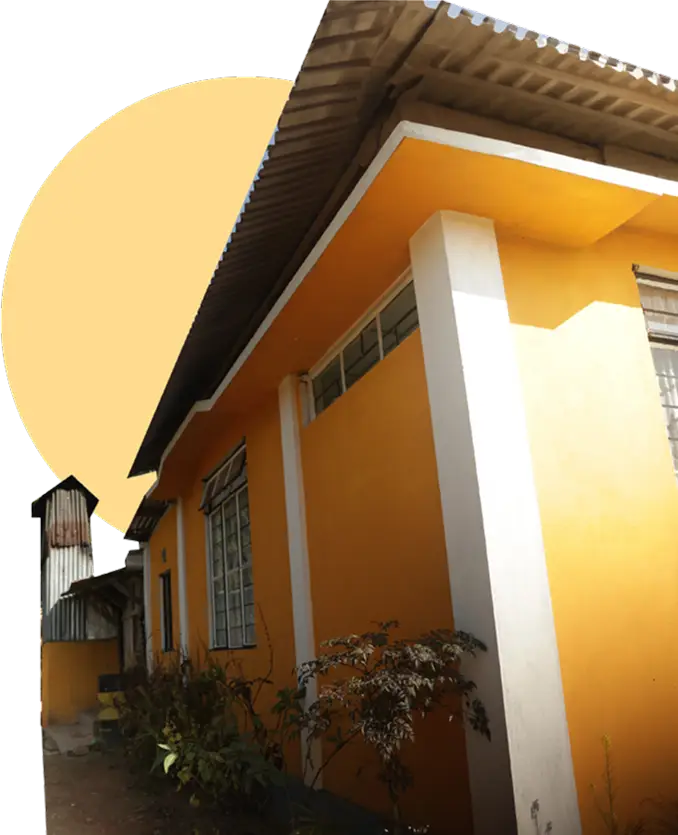
The programme is driven by an extensive grassroots implementation structure that integrates multiple departments and community institutions. Dedicated Gram Sevak Circle Sector Teams were established across every Community & Rural Development Block, bringing together engineers, technical assistants, gram sevaks, cluster coordinators, barefoot technicians, and village institutions. These teams work alongside Village Employment Councils (VECs), Village Organisations (VOs), Village Health Councils (VHCs), Village Water & Sanitation Committees (VWSCs), and Village Water Resource Committees (VWRCs) to ensure timely construction, material procurement, community mobilisation, technical supervision, access to low-interest loans through Self Help Groups, and convergence with government schemes. This collaborative model ensures that housing delivery is supported by local leadership and shared community responsibility.
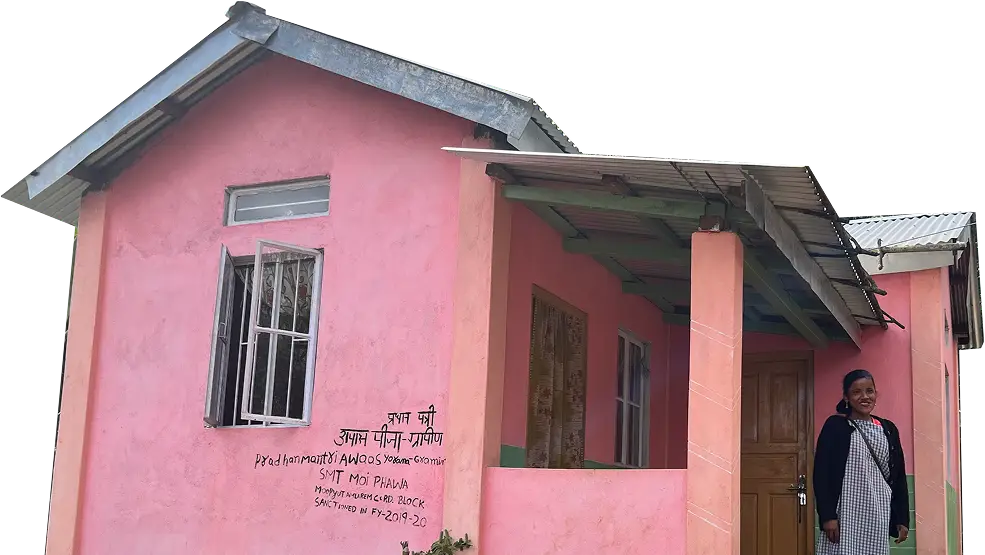
Beyond constructing houses, the mission emphasises quality, sustainability, and convergence. Model housing designs incorporating the One Health concept promote proper ventilation, sanitation, safe drinking water, and healthy living spaces. Houses are linked with complementary government programmes such as MGNREGA for labour support, Swachh Bharat Mission (SBM) for sanitation, Jal Jeevan Mission (JJM) for functional tap water connections, PMUY for clean cooking fuel, and electricity connectivity. The programme also invests in capacity building by training local masons, creating apprenticeship opportunities for unskilled workers, and facilitating exposure visits that allow beneficiaries from one region to learn from successful housing models in another, encouraging replication of good practices across the state.
To maintain momentum, the Special Mission introduced a robust review and monitoring mechanism operating at the state, district, block, and community levels. Weekly reviews, field inspections, geo-tagging, readiness assessments, and community meetings enable officials to identify implementation challenges early, resolve bottlenecks, and ensure convergence across departments. Construction targets are tracked through batch-wise fund releases, district-level progress reviews, Aadhaar linkage verification, mason availability, and beneficiary readiness, creating a data-driven system that supports timely completion while maintaining quality standards.
Ultimately, Housing for All Rural Poor is more than a housing programme. It is a comprehensive rural development initiative that combines infrastructure, community participation, institutional convergence, and local capacity building to improve the quality of life of rural families across Meghalaya. By integrating housing with health, sanitation, water, livelihoods, and social inclusion, the mission contributes to stronger, healthier, and more resilient communities while advancing the state’s long-term vision of inclusive and sustainable development.