VHC
Village Health Councils
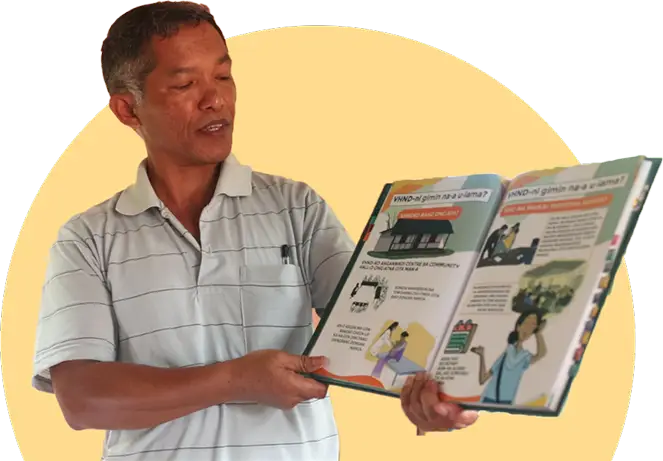
The Village Health Council (VHC) is a community-led institution established to strengthen local ownership of health, nutrition, and wellbeing at the village level. It serves as a platform where community members come together to identify health and nutrition challenges, discuss solutions, raise awareness, and work collaboratively with frontline workers and government departments to improve access to essential services. Replacing the earlier Village Health, Sanitation and Nutrition Committee (VHSNC), the VHC adopts a more participatory approach that places communities at the centre of planning, decision-making, and action to improve human development outcomes.
The VHC is designed to ensure that every household has a voice in improving the health of the community. Its General Body consists of the male and female heads of all households, while an elected Executive Committee of 10 to 20 members represents different sections of the village, with at least 50 percent women members. The council is led by the Village Headman as Chairperson, supported by the President of the Village Organisation (or another active woman leader where a VO does not exist), alongside representatives such as ASHAs, Anganwadi Workers, ANMs, teachers, and other frontline functionaries. This inclusive structure brings together community leadership and government service providers to strengthen coordination and accountability.
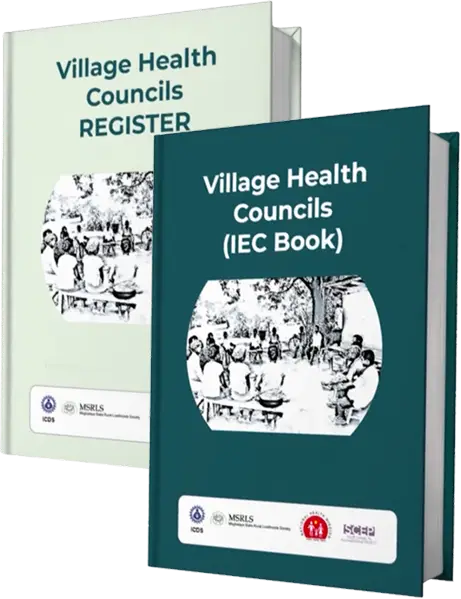
The primary role of the VHC is to identify and address health and nutrition challenges through collective action. It promotes awareness on maternal and child health, nutrition, immunisation, sanitation, and preventive healthcare, while ensuring that Village Health and Nutrition Days (VHNDs) are regularly organised and accessible to all. The council also acts as a bridge between communities and government departments by communicating local concerns, facilitating access to public services, and supporting the implementation of health and nutrition programmes at the village level.
The formation of a VHC follows a participatory community process that begins with awareness generation, consultations with village leaders and Self Help Groups, and community-wide meetings where Executive Committee members are democratically elected. Once established, the council meets at least once every month to review progress, discuss emerging health concerns, develop action plans, and coordinate with block officials and frontline workers. These meetings encourage open dialogue, shared decision-making, and regular follow-up, creating a continuous cycle of planning, implementation, and community accountability.
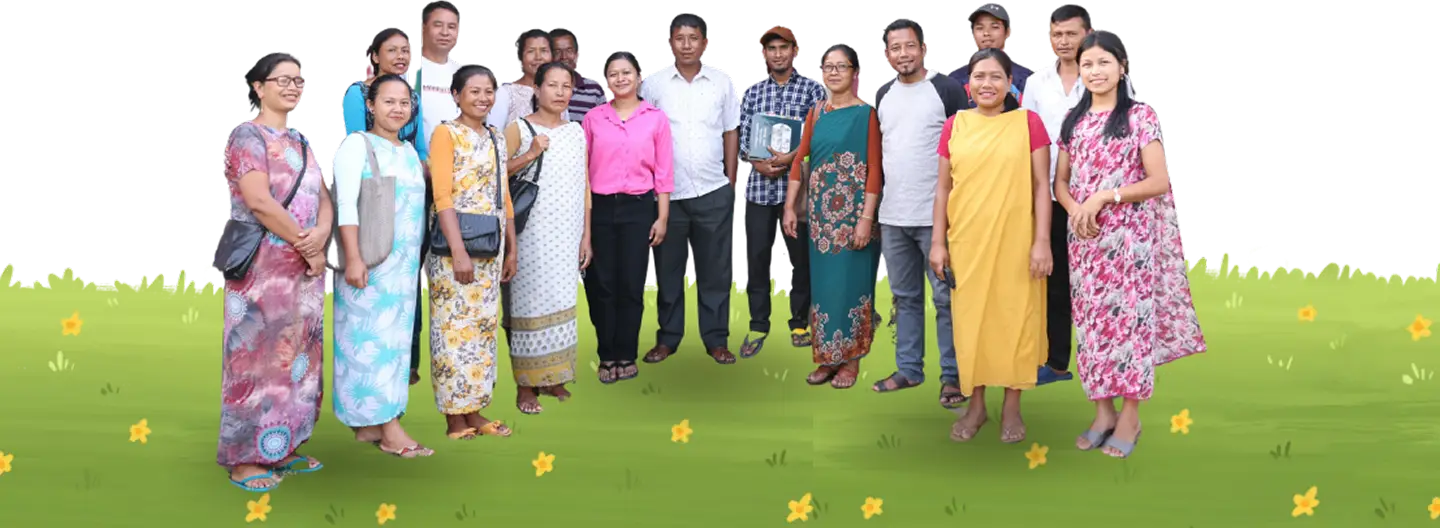
VHCs play an active role in supporting vulnerable households and strengthening preventive healthcare. Members regularly visit pregnant women and families with young children, encourage institutional deliveries, help arrange transport during emergencies, identify malnourished children for timely intervention, promote healthy diets through community kitchen gardens, mobilise households for immunisation and health check-ups, and notify health authorities of challenges requiring additional support. Through these practical, community-driven actions, the VHC strengthens early intervention and improves access to essential health and nutrition services.
Ultimately, the Village Health Council represents a shift from programme-driven service delivery to community-owned health governance. By empowering local leaders, engaging households in decision-making, strengthening collaboration with frontline workers, and fostering collective responsibility for health and nutrition, the VHC helps build healthier, more informed, and resilient communities. It serves as an important foundation for Meghalaya’s broader human development agenda by ensuring that lasting improvements in maternal and child health, nutrition, and wellbeing are driven by communities themselves.