

CM Headman Fellowship Highlights the Importance of Connecting Health Systems, Local Governance, and Community Leadership
Eastern West Khasi Hills occupies a unique position in Meghalaya’s Human Development journey. While improvements in maternal and child health have been recorded across the state, sustaining these gains requires strong institutions, effective coordination, and active community participation.
As part of the Chief Minister’s Headman Fellowship (CMHF), the Additional Chief Secretary and Development Commissioner, Government of Meghalaya, visited Eastern West Khasi Hills to review progress across the health system and engage with local leaders on strengthening community ownership of health and nutrition outcomes.
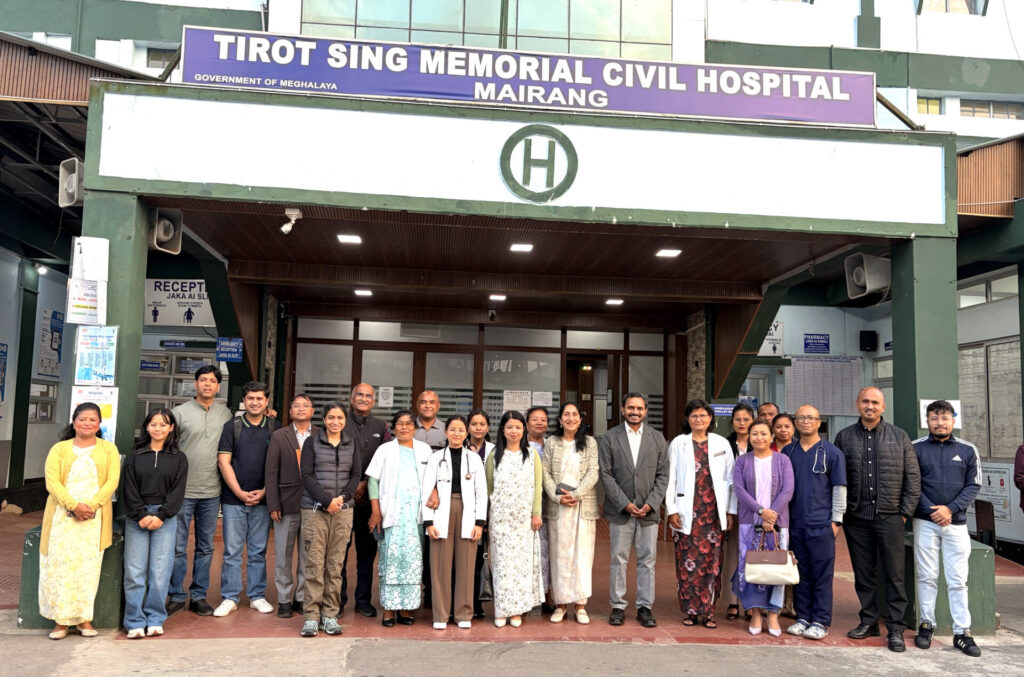
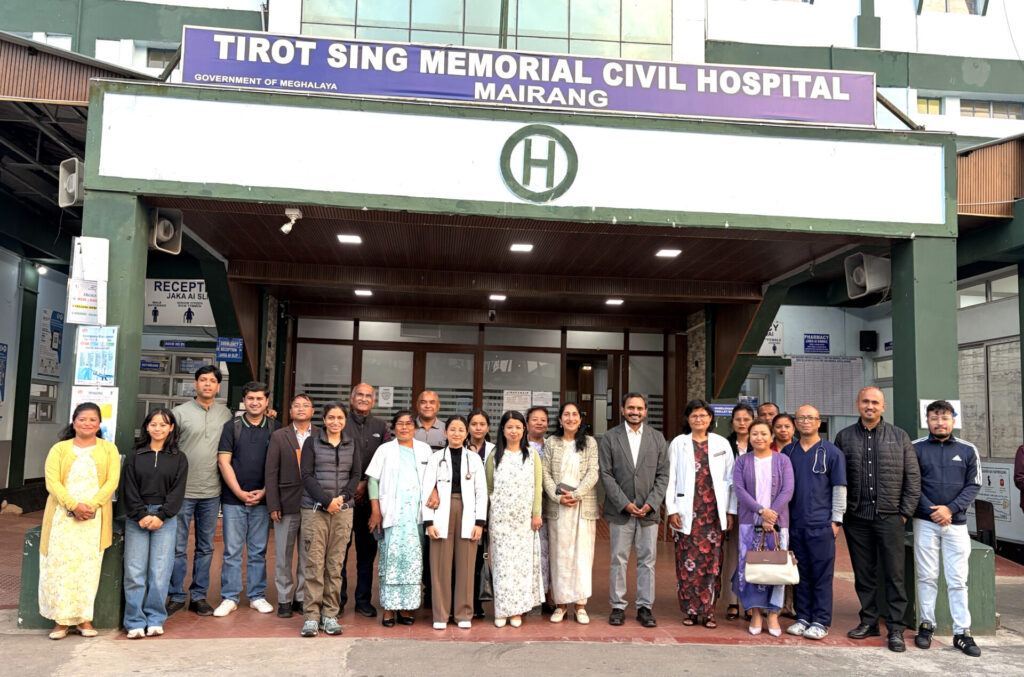
The visit included interactions at the Tirot Singh Memorial Hospital, Mairang, and the Mairang Block Office, bringing together healthcare professionals, block officials, frontline workers, and community representatives to examine how different systems can work together to improve outcomes for mothers, children, and families.
Strengthening Newborn Care at Tirot Singh Memorial Hospital
The visit began at the Neonatal Intensive Care Unit (NICU) of Tirot Singh Memorial Hospital, where discussions focused on strengthening care for newborns and ensuring that high-risk infants receive timely medical attention.
The NICU represents an important investment in specialised newborn care within the district, reducing the need for families to travel long distances to access critical services. Discussions centred on referral systems, continuity of care, and the importance of identifying high-risk pregnancies early so that mothers and newborns can receive appropriate support.
The interaction highlighted the progress being made in expanding healthcare services closer to communities while also identifying areas where stronger coordination between facilities and frontline workers can further improve outcomes.
Bringing Departments Together Around Human Development
At the Mairang Block Office, officials reviewed progress across key Human Development indicators and discussed the role of convergence in addressing complex challenges that no single department can solve alone.
Representatives from Health, Social Welfare, Community and Rural Development, MSRLS, and other stakeholders reflected on the importance of coordinated action around maternal health, early childhood development, nutrition, and preventive healthcare.
The discussions emphasised that improved outcomes depend not only on service availability but also on how effectively different institutions work together to reach families at the last mile.
The Role of Traditional Leadership
A central focus of the visit was the Chief Minister’s Headman Fellowship, which seeks to strengthen the role of traditional institutions in advancing community wellbeing.
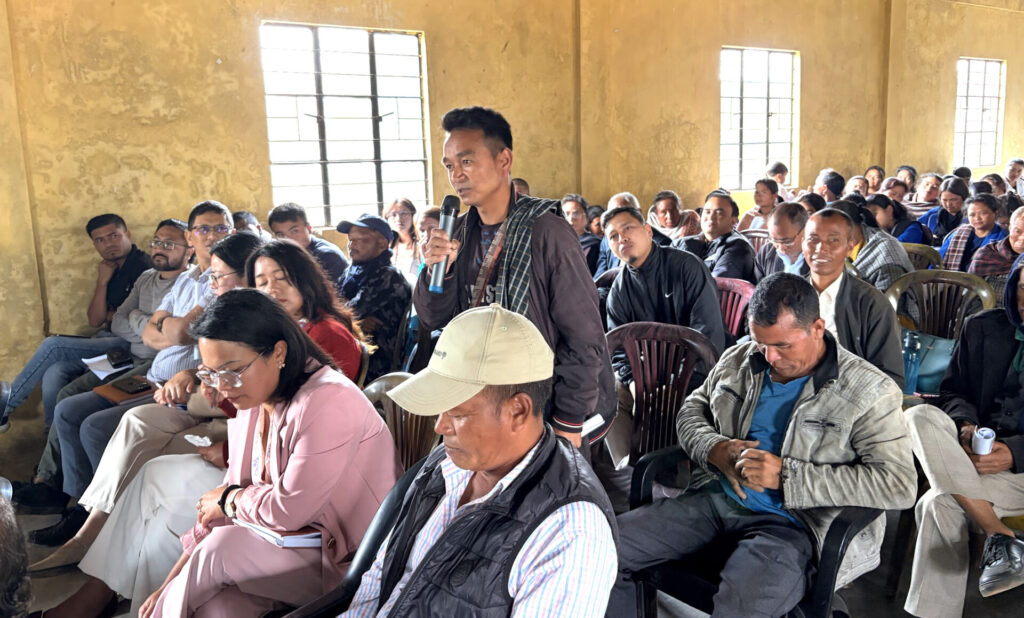
Headmen occupy a unique position within Meghalaya’s villages, serving as trusted leaders capable of mobilising communities, encouraging positive behaviour change, and supporting public health initiatives.
The discussions reinforced the importance of engaging traditional leaders as partners in promoting institutional deliveries, early childhood development, preventive healthcare, nutrition, and community participation in Village Health Councils.
Building a Human Development Movement
The visit highlighted an important lesson emerging from the CMHF programme: improving health and nutrition outcomes requires more than infrastructure alone.
Hospitals, Anganwadi Centres, Village Health Councils, Self-Help Groups, frontline workers, and traditional institutions each play a role in supporting families. When these systems work together, communities are better positioned to identify challenges early, access services, and sustain positive outcomes.
By connecting health facilities, governance structures, and community leadership, the Chief Minister’s Headman Fellowship is helping build a stronger foundation for human development across Meghalaya.
As the programme continues to expand, visits such as these demonstrate that lasting change happens when institutions and communities work together toward a common goal: ensuring that every mother, child, and family has the opportunity to thrive.