

A district review meeting on health services in West Garo Hills District was held on September 21, 2026, to assess service delivery gaps, identify operational challenges and outline measures to strengthen healthcare access across the district, with particular attention to maternal and newborn health, blood bank services, anaemia management and healthcare infrastructure.
Strengthening Maternal and Newborn Healthcare
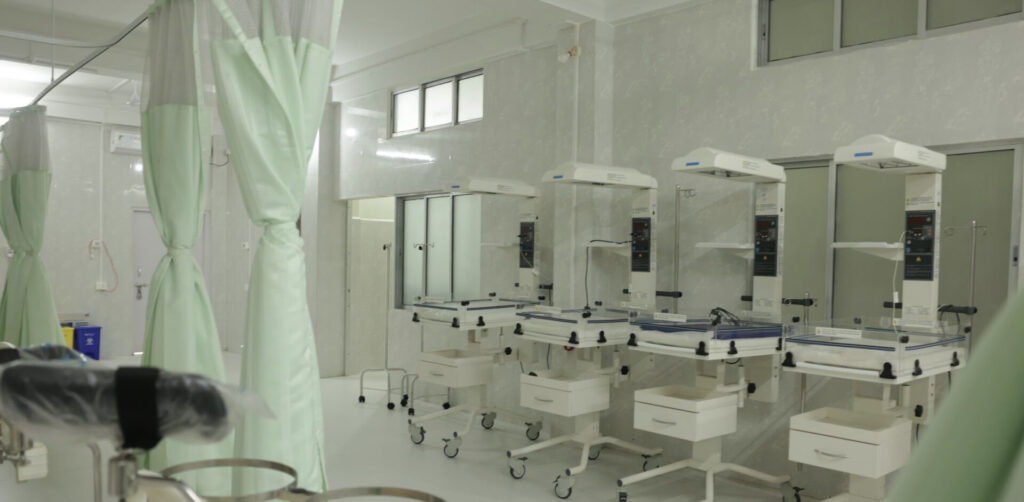
The review highlighted several gaps affecting maternal and newborn healthcare services. These included incomplete coverage of pregnant women under the Meghalaya Health Insurance Scheme (MHIS), a shortage of beds at the District Maternal and Child Health (DMCH) Hospital, and limited capacity at the Special Newborn Care Unit (SNCU), which currently has 10 beds. The meeting also noted that the Neonatal Intensive Care Unit (NICU) was not functional and that a transit home was unavailable at the DMCH Hospital.
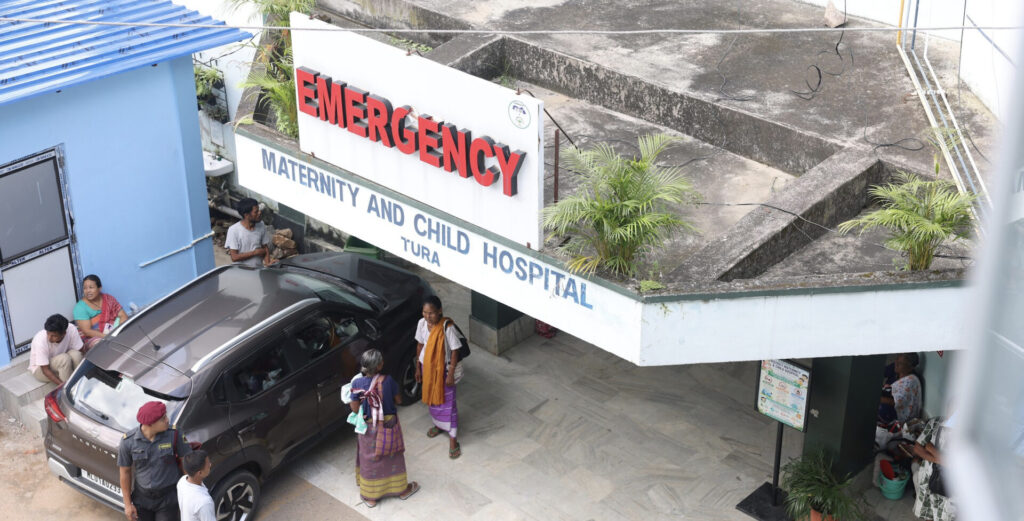
Human resource constraints were another key concern, particularly the shortage of staff nurses at high-delivery points. The need to deploy a Comprehensive Emergency Obstetric and Newborn Care (CEmONC)-trained Medical Officer from Selsella Community Health Centre (CHC), post sonologists at Allagre CHC, Selsella CHC and Asanang Primary Health Centre (PHC), and strengthen the deployment of Auxiliary Nurse Midwives (ANMs) in the field was also discussed.
Addressing these gaps will be important to improving access to timely maternal care, strengthening emergency obstetric services and ensuring better support for mothers and newborns.
Improving Blood Bank Services and Reducing Out-of-Pocket Expenditure
The review of MDR-related services also highlighted concerns regarding patient charges, laboratory testing, sterilisation practices and blood bank operations. The meeting noted that patients had reportedly been charged for certain hospital services, while swab culture testing was associated with costs of approximately ₹10,000. Culture reports were also unavailable at the time of the review, as the microbiologist was on sabbatical and the laboratory was under construction. The need to review sterilisation protocols in the gynaecology ward and renovate the operation theatre was also flagged.
Reducing out-of-pocket expenditure (OOPE) emerged as a priority. The meeting discussed signing Memorandum of Understanding (MoUs) with private hospitals to facilitate treatment for patients, with eligible bills to be settled through the Chief Minister’s Safe Motherhood Scheme (CMSMS) fund.
Strengthening Anaemia and Haemoglobinopathy Screening
Anaemia management and haemoglobinopathy screening were identified as important areas requiring further attention across Garo Hills. The review noted the need to strengthen haemoglobin (Hb) testing facilities, address shortages of testing strips and procure additional Hb testing machines.
A dedicated system to track anaemia cases was also identified as a requirement to support follow-up, improve monitoring and strengthen the planning of interventions. The review additionally noted concerns regarding the prevalence of autoimmune diseases in the Garo population, underscoring the need for appropriate clinical assessment and better understanding of local health needs.
Addressing Workforce and Equipment Gaps
The availability of frontline healthcare workers remains a significant challenge. According to the review, approximately 200 ANMs are currently available to cover around 1,800 villages, highlighting the need to strengthen the frontline workforce and improve service coverage.
The review brought together officials and representatives from the Autonomous Civil Society (ACS), Deputy Commissioner’s office, Sub-Divisional Officers, District Maternal and Child Health Officer (DMCHO), Medical Superintendent, medical officers, Meghalaya Health Systems Strengthening Project (MHSSP), Meghalaya State Rural Livelihoods Society (MSRLS), Early Childhood Development (ECD) Mission and Government Innovation Lab (GIL), among other units.