

South Tura, Meghalaya | October 29, 2026
The Government of Meghalaya is exploring a constituency-level pilot project to unlock local economic opportunities, strengthen enterprises and expand livelihood options for young people under the Youth Opportunities and Economic Growth Component of the Meghalaya Programme for Adolescent Wellbeing, Empowerment and Resilience (MPOWER).
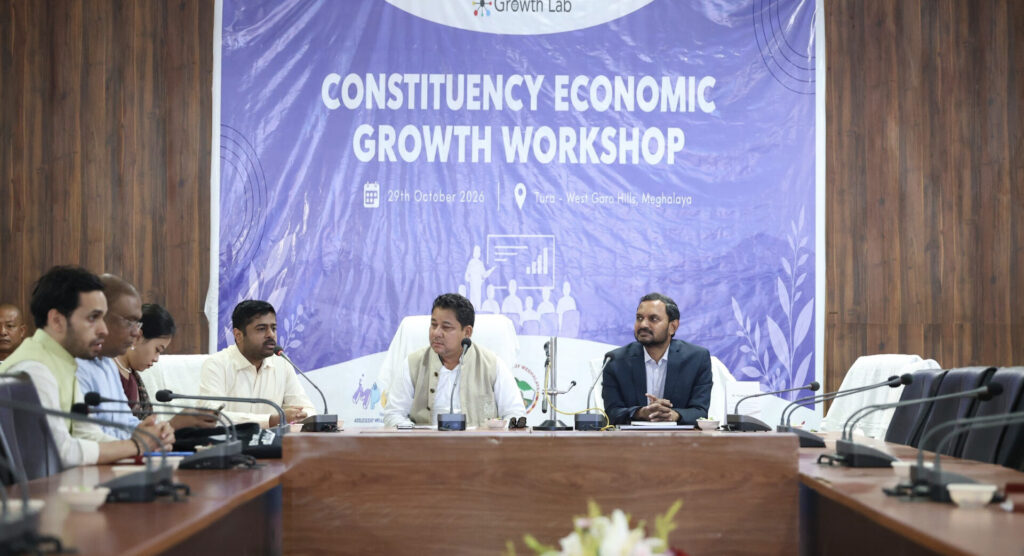
The proposed pilot emerged from a stakeholder workshop held at South Tura (ST) Constituency, which brought together government officials, development partners, entrepreneurs, producers, community representatives and young people to identify barriers to economic growth and explore locally driven solutions.
The initiative seeks to build on Meghalaya’s existing economic strengths while identifying opportunities in sectors such as tourism, border trade, high-value agriculture and agro-processing, with the potential to generate employment and strengthen local enterprises.
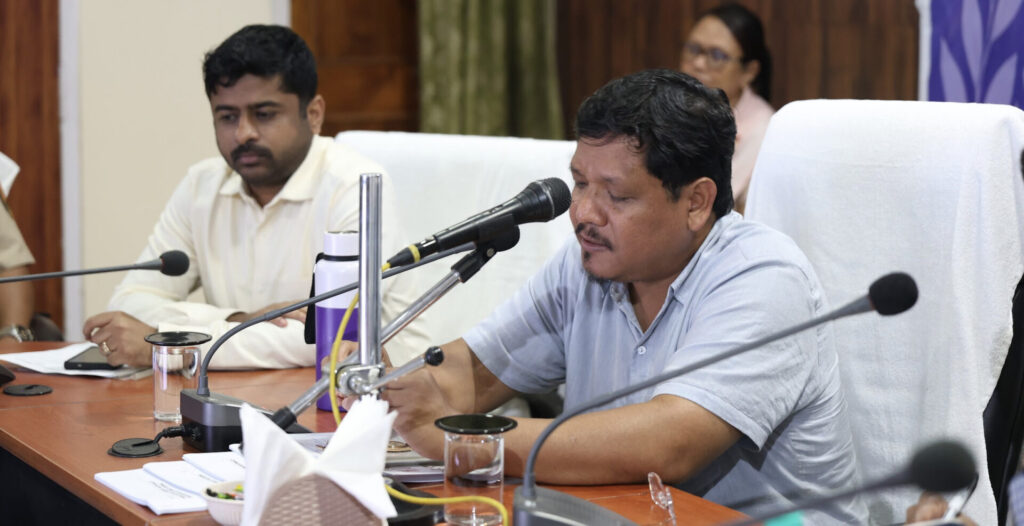
Addressing the participants, Chief Minister Shri Conrad K. Sangma emphasised that Meghalaya’s growth would require not only government schemes and programmes but also a fundamental shift in mindset towards action, initiative and problem-solving.
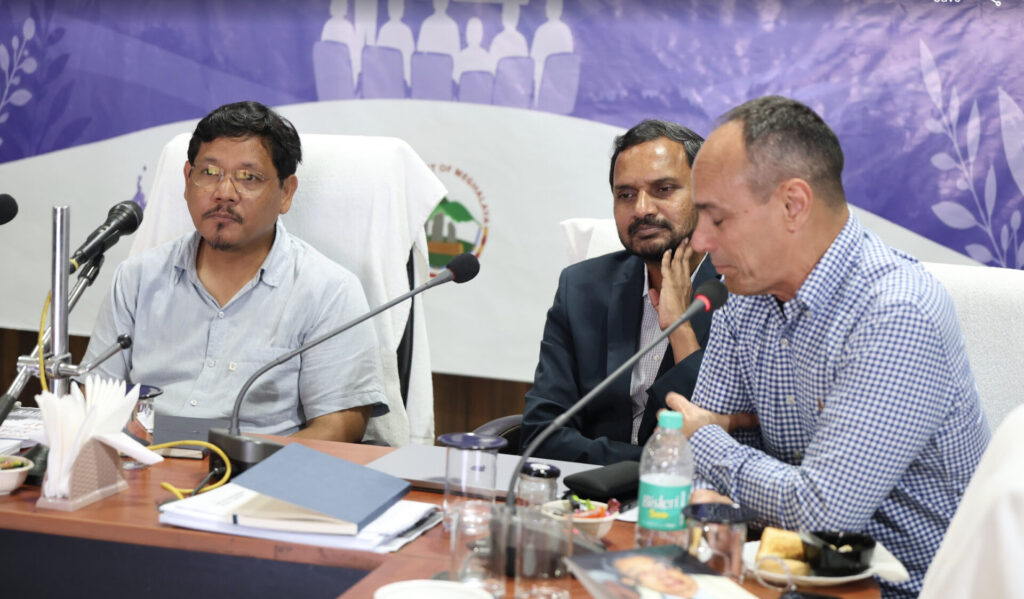
Observing that the state has considerable untapped potential, he said that the first step towards development was believing that change was possible and taking responsibility for making it happen.
“Everything starts with believing that things can happen and that you want it to happen. That small spark is what the government is trying to create in every person,” he said.
The Chief Minister encouraged participants to move beyond identifying problems and criticising existing systems, and instead focus on what they could individually and collectively do to bring about change. He also stressed the importance of identifying achievable priorities or ‘low-hanging fruits’ that could generate early results, build momentum and motivate communities to take further action.
He noted that while Meghalaya continued to face development challenges, the institutional systems and investments made over the past eight years were beginning to show results. He highlighted the state’s strengths in horticulture, agriculture, information technology, food processing and tourism, emphasising the need to build on these sectors through focused economic strategies.
The workshop also examined the underlying constraints that prevent local economic activities and enterprises from growing. Discussions focused on understanding available resources, local capabilities, market opportunities and the challenges faced by producers and entrepreneurs in expanding their activities.
To facilitate this process, the workshop is drawing on Problem-Driven Iterative Adaptation (PDIA) and Adaptive Leadership approaches. These methodologies encourage stakeholders to identify the root causes of challenges, draw on local knowledge, test practical solutions and continuously adapt based on experience and learning.
The workshop is being conducted in collaboration with the Harvard Growth Lab at Harvard University, the Meghalaya Institute of Governance (MIG) and the Bharti Institute of the Indian School of Business (ISB).
Speaking on the initiative, Shri Sampath Kumar, IAS, Additional Chief Secretary, Development Commissioner and Project Director of MPOWER, highlighted Meghalaya’s considerable potential to achieve inclusive economic growth and create opportunities that respond to the aspirations of its people, particularly the youth.
Through MPOWER, the government aims to translate this potential into sustainable livelihoods and stronger enterprises by bringing together different stakeholders and strengthening collaboration across sectors.
A key focus of the initiative is ensuring that economic development solutions are grounded in local realities. Government departments, traditional institutions, community organisations, entrepreneurs, producers and young people are being encouraged to work together to identify opportunities and address the specific constraints affecting their local economies.
As a next step, the discussions will help identify priority economic challenges and opportunities, from which practical pilot initiatives will be developed. A constituency-level project will be selected and aligned with the Constituency Development Plan, ensuring that interventions respond to locally identified priorities and have a clear pathway towards implementation.
Through this approach, MPOWER seeks to move beyond identifying economic potential to creating practical pathways for enterprise development, employment generation and sustainable livelihoods.
By placing communities and local stakeholders at the centre of the process, the initiative aims to unlock Meghalaya’s economic strengths and create greater opportunities for its young people.