

Ampati, 30 October 2026: A review meeting of Ampati District Hospital was held on 30 October 2026 to assess the functioning of the facility, identify gaps in healthcare delivery and discuss measures to strengthen its capacity to serve communities across South West Garo Hills. Chaired by Shri Sampath Kumar, Additional Chief Secretary, Government of Meghalaya, the meeting brought together the Deputy Commissioner, District Health and Medical Officer, Medical Superintendent, nursing representatives, medical officers and officials from SHSRC and GIL/SCEP.
Serving a population of approximately 1.7 lakh, including patients from neighbouring areas of Assam, Ampati District Hospital has a bed strength of 78 and provides services across specialties including general surgery, orthopaedics, obstetrics and gynaecology, and paediatrics.
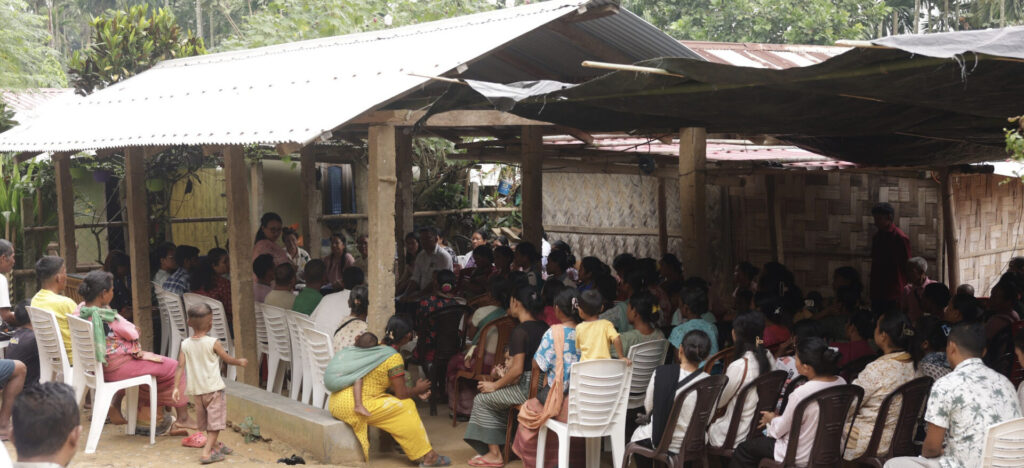
The review examined the hospital’s existing capacity, utilisation of services, infrastructure requirements and human resource constraints, with particular attention to maternal and child healthcare.
Strengthening Maternal and Child Healthcare
A key focus of the discussion was improving maternal and child health services. The Additional Chief Secretary highlighted the need to strengthen institutional delivery services and address gaps affecting the hospital’s capacity to provide comprehensive maternal care.
With only one obstetrician and gynaecologist currently available, the hospital faces challenges in maintaining continuity of services, particularly during periods of leave. The review called for strengthening the nursing workforce, including contractual recruitment, and sending an MBBS doctor and nurses for specialised training in Chennai.
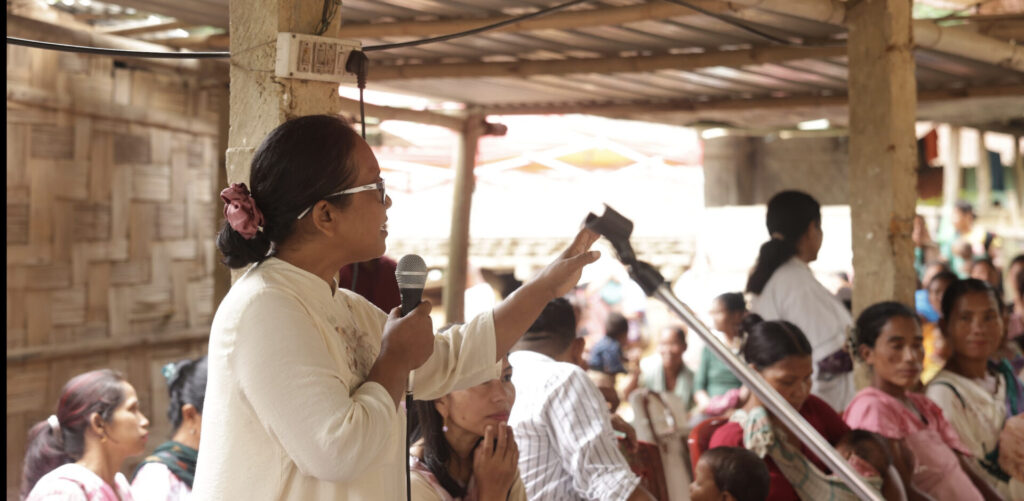
The proposed Special Newborn Care Unit (SNCU) was also identified as a priority. The delay in its completion will be reviewed, with the Health Engineering Wing (HEW) asked to examine the matter and provide an update during the next health department review.
The meeting further discussed reorganising the existing 14-bed maternity ward and developing the hospital’s Annexure building into a dedicated Maternal and Child Health (MCH) wing. The proposed facility will also consider the need for a psychiatric ward to address existing gaps in specialised patient accommodation.
Addressing Infrastructure and Human Resource Gaps
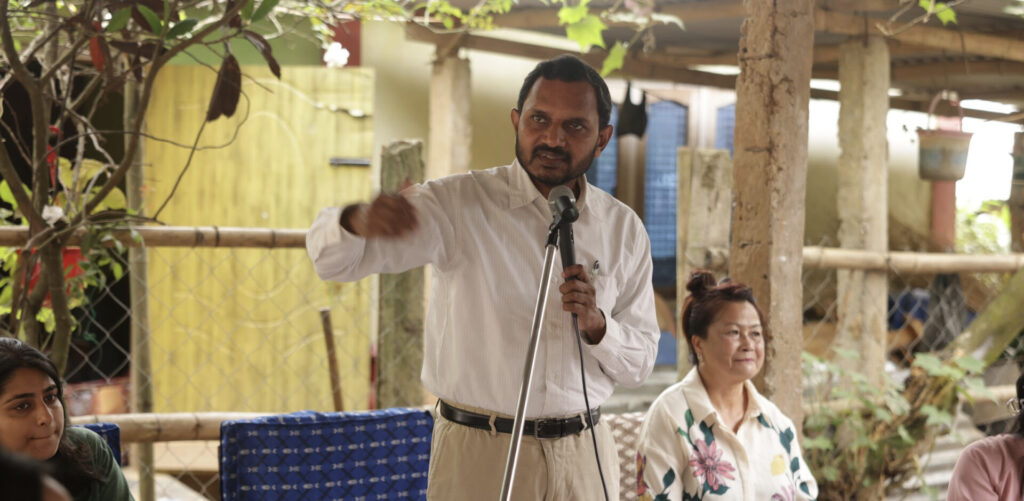
The review highlighted several infrastructure requirements, including additional OPD rooms, improved ward facilities, a dedicated septic labour room and septic ward, an ICU, an SNCU, a mortuary and improved operating theatre facilities.
The need for a more functional arrangement of specialised services was also discussed, including dedicated accommodation for ENT and orthopaedic patients, as well as improvements to the physiotherapy and ultrasound facilities.
Human resource constraints remain another important area requiring attention. The hospital reported shortages across several categories, including anaesthesiology, paediatrics, microbiology, nursing and allied healthcare services.
It was decided that the hospital’s requirements would be formally communicated to the Directorate of Health Services, with specific reasons for each request. A structured system for raising human resource requests through tickets was also proposed to facilitate follow-up and accountability.
Ensuring Reliable Availability of Medicines
The availability of essential medicines and medical supplies was another key area of discussion.
The Additional Chief Secretary instructed doctors to submit medicine indents well in advance and ensure that drug availability is reviewed regularly to prevent disruptions in patient care.
The meeting also discussed complaints regarding certain batches of Ringer’s Lactate (RL) and Normal Saline (NS) supplied to the hospital, following reports of chills and rigors among patients. The issue was flagged for appropriate examination and follow-up.
The importance of educating patients on obtaining Meghalaya Health Insurance Scheme (MHIS) smart cards was also emphasised to help eligible beneficiaries access healthcare services and avoid unnecessary out-of-pocket expenditure.
Strengthening Blood Transfusion Services
The hospital currently operates a Blood Storage Unit (BSU), while a proposal for establishing a full-fledged blood bank has already been submitted.
Recognising the importance of strengthening district-level blood transfusion services, the Additional Chief Secretary emphasised the need to establish a blood bank in every district. The district administration was asked to plan and nominate doctors for training so that the required human resource capacity can be developed alongside the proposed infrastructure.
Strengthening Follow-up and Accountability
The review concluded with a set of action points covering the completion of the SNCU, recruitment and training of healthcare personnel, infrastructure planning, medicine availability and strengthening blood transfusion services.
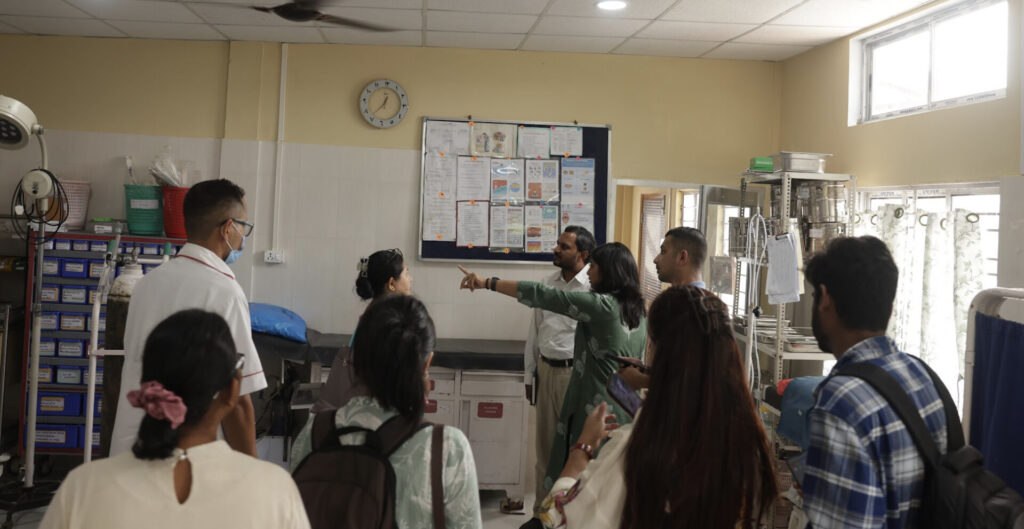
Regular monthly meetings involving the Deputy Commissioner, DMHO and Medical Officers were also emphasised to ensure continued monitoring and timely resolution of operational challenges.
The review reflects the state’s continued focus on strengthening district-level healthcare institutions by identifying service delivery gaps, improving institutional capacity and ensuring that health facilities are better equipped to respond to the needs of their communities.