
The latest National Family Health Survey-6 (NFHS-6) 2023-24 offers more than just numbers. It tells the story of a state steadily strengthening its healthcare system, improving access to maternal and child health services, and investing in the wellbeing of future generations. While challenges remain, Meghalaya’s progress reflects years of coordinated action across government departments, frontline workers, communities and healthcare institutions.
Every Child Deserves a Healthy Start
The health of mothers and children is one of the strongest indicators of a state’s overall development. A healthy start in life begins with quality care during pregnancy and continues through childbirth and the early years of childhood. Access to healthcare, proper nutrition and timely interventions during this period not only improve health outcomes but also help children grow, learn and reach their full potential.
Recognising this, Meghalaya has made maternal and child health a key development priority.
The latest National Family Health Survey-6 (NFHS-6) 2023-24 demonstrates encouraging improvements across several indicators, from antenatal care and institutional deliveries to childhood immunisation and nutrition.
These improvements are the result of sustained investments by the state government in the healthcare system, stronger frontline services and community based programmes. While initiatives such as the Rescue Mission, the Chief Minister’s Safe Motherhood Scheme (CMSMS) and the Meghalaya Early Childhood Development Mission have strengthened maternal and child healthcare over the years, the recently launched Mission 1000 Days Programme marks the next step in Meghalaya’s effort. By focusing on nutrition and care during the first 1,000 days of life, from pregnancy until a child’s second birthday , the programme aims to tackle some of the root causes of malnutrition, stunting and poor maternal and child health outcomes.
Building on these efforts, the Government of Meghalaya also signed a Memorandum of Understanding (MoU) with the Bill & Melinda Gates Foundation in September 2024 to strengthen health systems through technical support and evidence-based approaches. The partnership aims to drive long-term, systemic improvements in maternal and child health, nutrition and healthcare delivery, reinforcing the state’s commitment to building a more resilient and responsive public health system.
Together, these interventions are helping ensure that mothers and children receive quality healthcare throughout the earliest and most important stages of life.
A Better Beginning for Every Mother
A healthy pregnancy begins with a healthy mother. When women receive quality healthcare, proper nutrition and regular check-ups throughout the pregnancy, they are more likely to have safer pregnancies and healthier births. These interventions not only protect the health of mothers but also give babies the best possible start in life. This is why improving maternal healthcare has become one of Meghalaya’s key priorities.
The latest NFHS-6 findings reflect the collective efforts of the Government of Meghalaya, healthcare workers and communities to ensure that more mothers receive the care they need throughout pregnancy and childbirth.
The percentage of women receiving antenatal care increased from 82.4% in NFHS-5 (2019-21) to 90.6% in NFHS-6 (2023-24). More mothers are also registering their pregnancies during the first trimester, increasing from 53.9% to 57.9%.
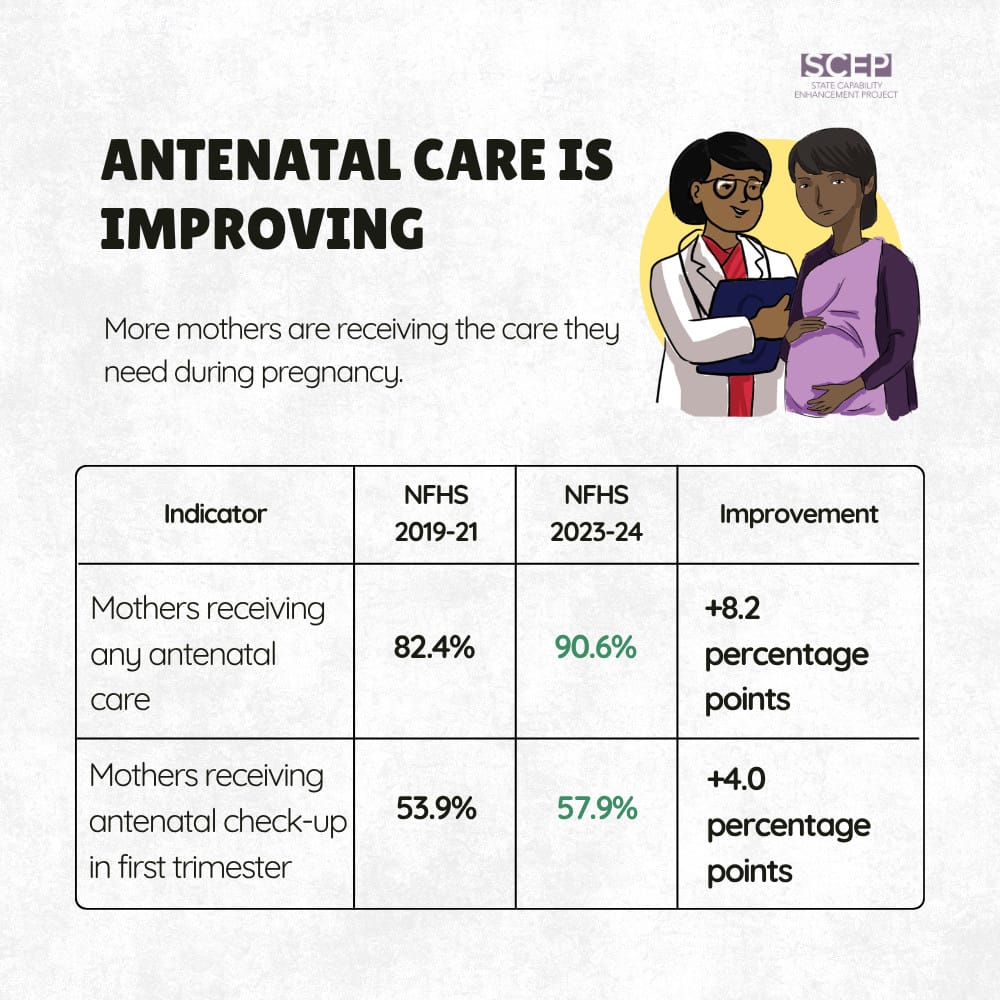
Early registration allows healthcare workers to monitor pregnancies from the beginning, identify complications, provide nutrition counselling and ensure mothers receive regular health check-ups.
One of the leading causes of pregnancy-related complications is iron deficiency. To address this, the state has placed a strong emphasis on improving maternal nutrition as a key part of ensuring healthier pregnancies and safer childbirth. A key component of this effort is encouraging pregnant women to consume Iron and Folic Acid (IFA) tablets during pregnancy to prevent anaemia, and reduce the risk of complications.
In some communities, pregnant women were hesitant to take Iron and Folic Acid (IFA) tablets due to side effects such as constipation and stomach discomfort. Recognising this challenge, the Government of Megahalaya introduced liquid Iron and Folic Acid supplements for women who found it difficult to take the tablets. By offering an alternative that was easier to consume, the state helped ensure that more pregnant women continued to receive this essential nutritional support throughout pregnancy.
As a result, the percentage of pregnant women consuming Iron and Folic Acid tablets for at least 100 days increased significantly from 43.1% to 62.7%, while those completing the recommended 180-day course doubled from 20.6% to 40.8%.
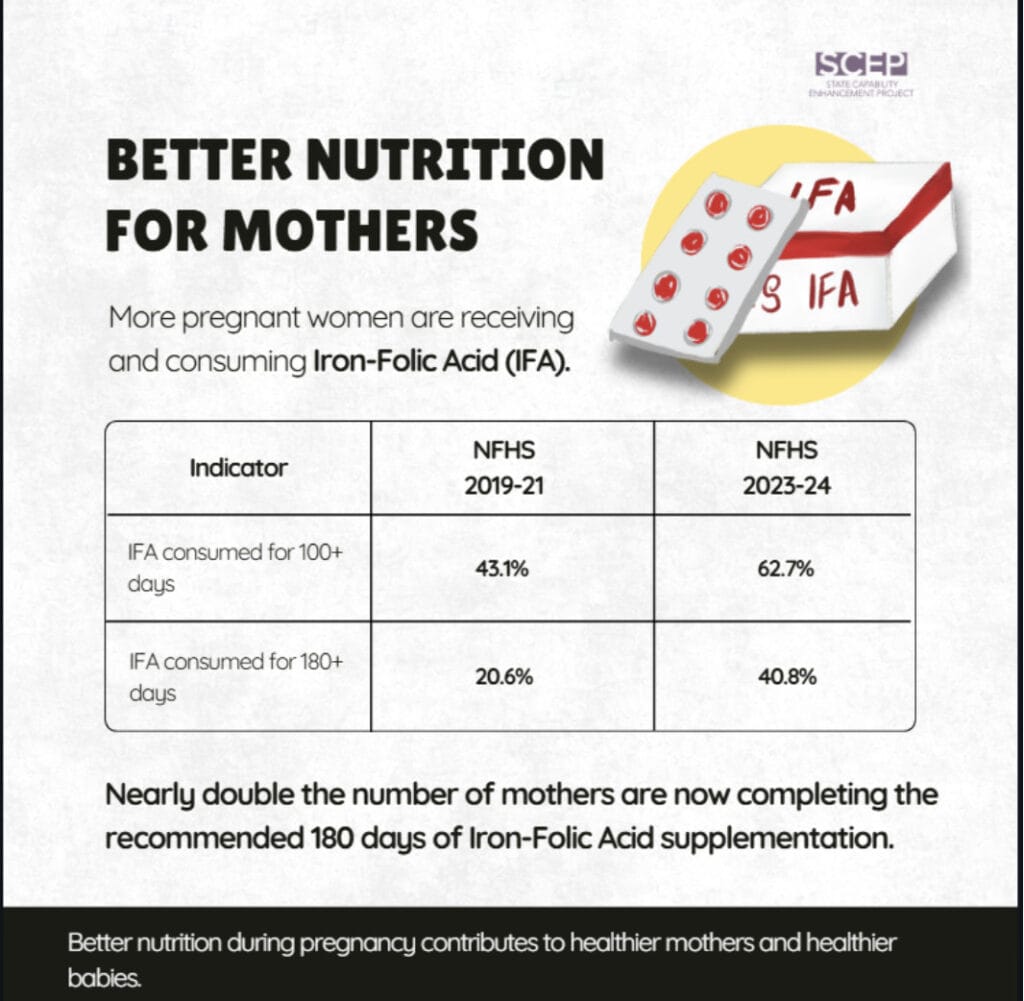
By improving access to IFA supplements and addressing barriers to their consumption, Meghalaya is helping more women enter childbirth healthier and better prepared for delivery. Along with stronger antenatal care (ANC), these efforts are reducing the risk of anaemia and other pregnancy-related complications, while lowering the chances of premature birth and low birth birth weight, leading to healthier outcomes for both the mothers and the babies.
Ensuring Every Mother Reaches a Safe Delivery
While significant efforts have gone into ensuring healthy pregnancies, the next challenge was making sure every expectant mother could safely reach a health facility for delivery. For many women, especially those living in remote and hard-to-reach areas, distance, difficult terrain and limited transport often delayed access to timely medical care during labour.
In response to these challenges, the Government of Meghalaya introduced the Chief Minister’s Safe Motherhood Scheme (CMSMS) and Transit Homes to ensure that no mother is left behind because of where she lives.
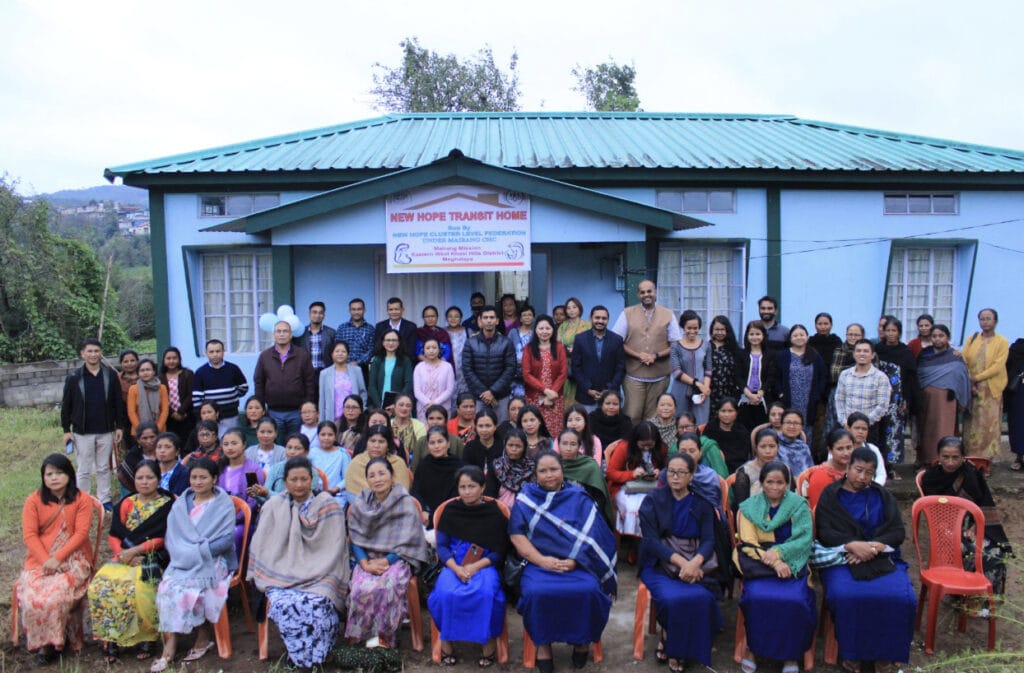
A key strength of these initiatives has been the active involvement of Self Help Groups (SHGs). Working alongside the government and frontline health workers, SHGs have helped identify pregnant women, spread awareness on the importance of institutional deliveries, arrange transport when needed and manage Transit Homes where expectant mothers can stay closer to health facilities in the days leading up to childbirth. This partnership between communities and the government has made maternal healthcare more accessible, particularly in rural and remote parts of the state.
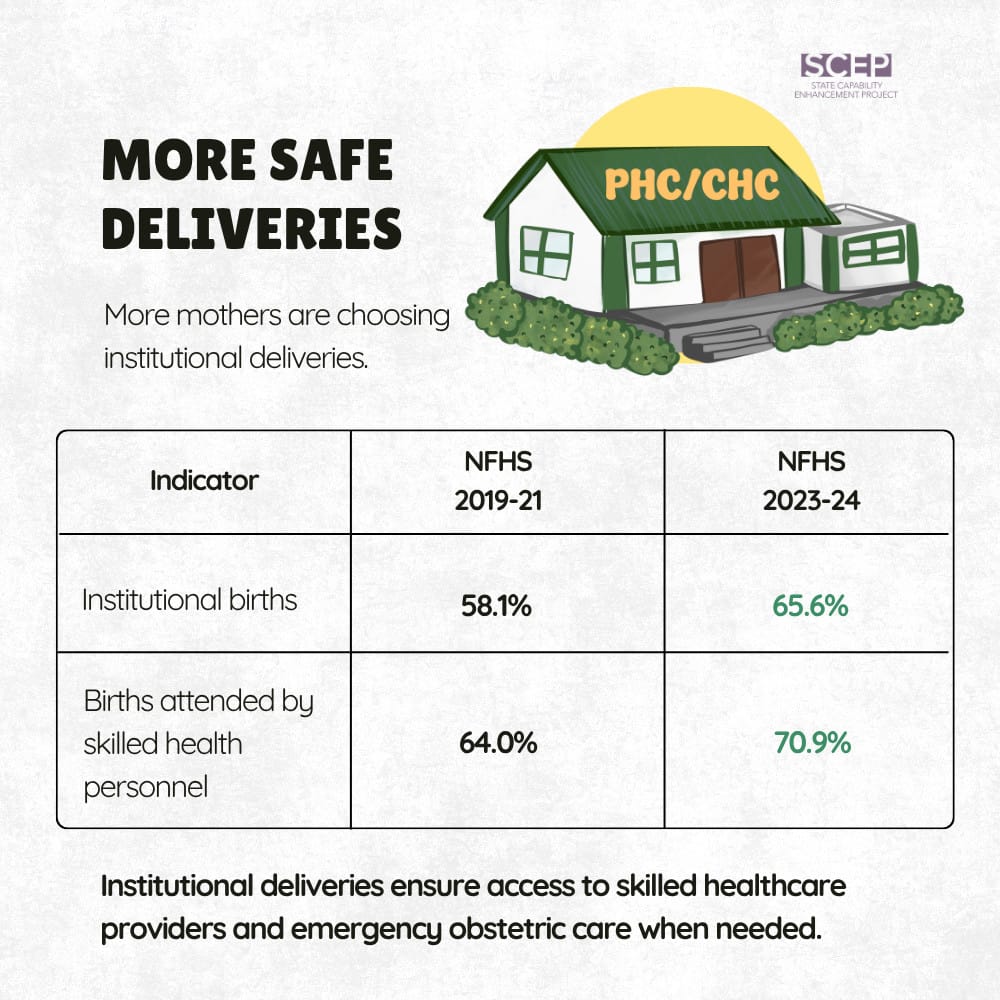
These collective efforts are reflected in the latest NFHS findings. Institutional deliveries increased from 58.1% in NFHS-5 (2019-21) to 65.6% in NFHS-6 (2023-24), while births attended by skilled health personnel increased from 64.0% to 70.9%. Together, these improvements are helping ensure safer deliveries and reducing the risks faced by both mothers and newborns.
The Rescue Mission: A Community-Based Approach
Improving maternal health requires more than quality healthcare facilities. It also depends on identifying women who need support before complications arise and ensuring they receive timely care.
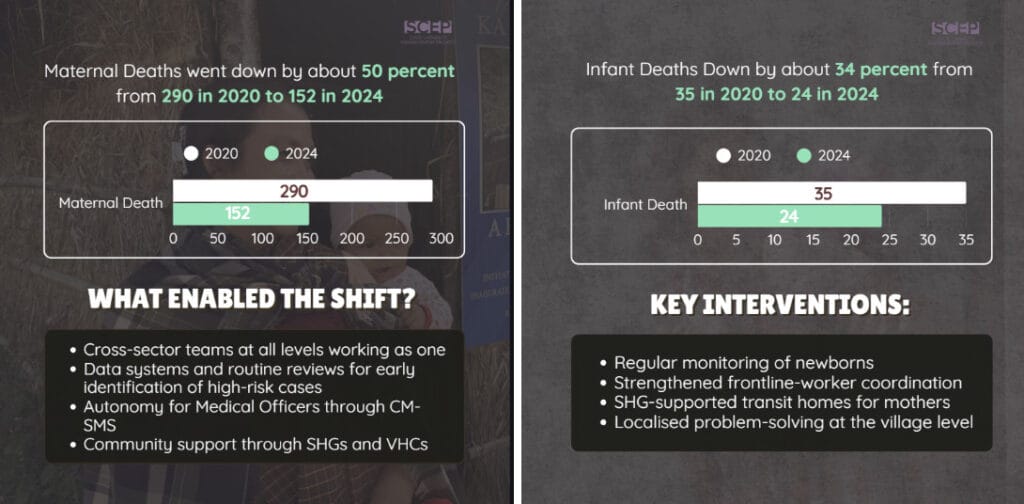
To address this, the Government of Meghalaya launched the Rescue Mission in 2020 to reduce maternal and infant deaths by identifying and supporting high-risk pregnancies through a coordinated, community-based approach.
Rather than relying on the health department alone, the mission brings together ASHAs, ANMs, Anganwadi Workers, Village Health Councils (VHCs), Self Help Groups (SHGs), local community leaders and healthcare providers to identify vulnerable mothers early, monitor pregnancies, provide regular counselling and ensure timely referrals to health facilities. This convergence model has strengthened coordination between communities and the health system, helping ensure that high-risk pregnancies are identified and managed before complications become life-threatening.
The lessons from the Rescue Mission also highlighted another major challenge. Even when high-risk pregnancies were identified, many women, especially those living in remote areas, were unable to reach health facilities in time for delivery.
To address this, the Government launched the Chief Minister’s Safe Motherhood Scheme (CM-SMS) in 2022, introducing transport support, Transit Homes and community-led solutions to help women safely access institutional care. Many of these Transit Homes are managed by Self Help Groups, creating a strong partnership between communities and the government to ensure that no mother is left behind because of where she lives.
Strengthening Healthcare Infrastructure for Safer Births
Encouraging more women to opt for institutional deliveries is only one part of the solution. As more mothers choose to give birth in health facilities, it is equally important to ensure that these facilities are equipped to provide safe, quality care for every mother and newborn.
Recognising this, the Government of Meghalaya has made significant investments in strengthening healthcare infrastructure across the state.
Over the past few years, new Maternal and Child Health (MCH) Hospitals have been established, while existing facilities have been upgraded to provide better maternal and newborn healthcare closer to communities.
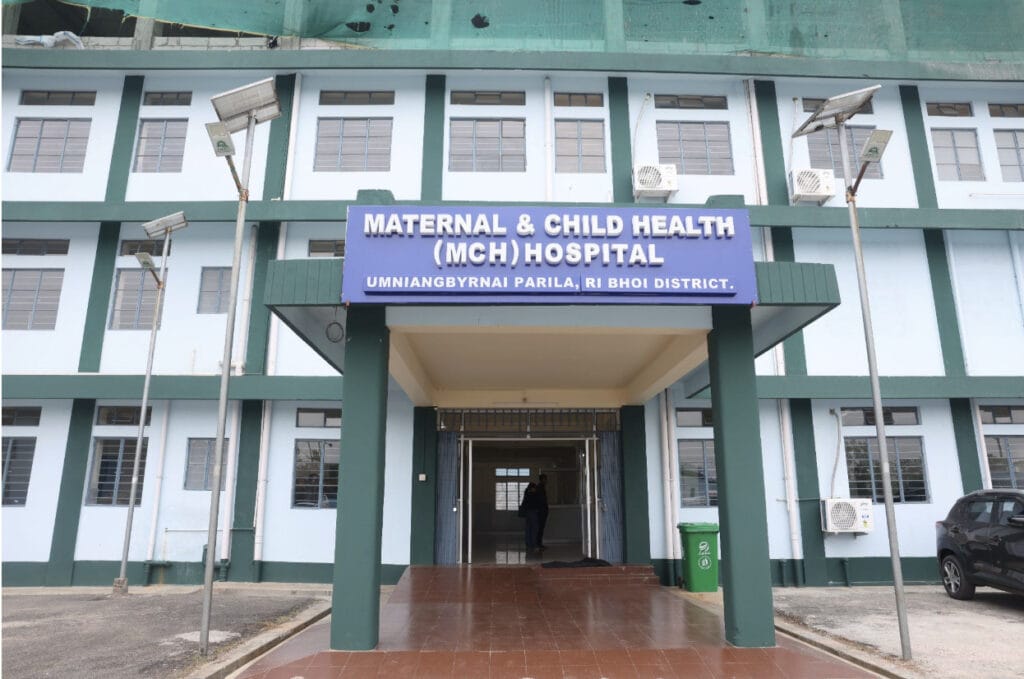
Alongside this, the state has expanded specialised newborn care through the establishment of new aspirational Neonatal Intensive Care Units (@NICUs) and the strengthening of Special Newborn Care Units (SNCUs). These facilities provide advanced care for newborns who require specialised medical attention, helping improve survival and reducing the need for families to travel long distances in search of treatment.
A major milestone in these efforts was the establishment of the first public @NICU in the Garo Hills region at Tura Maternal and Child Health Hospital, bringing specialised newborn care closer to families in western Meghalaya.
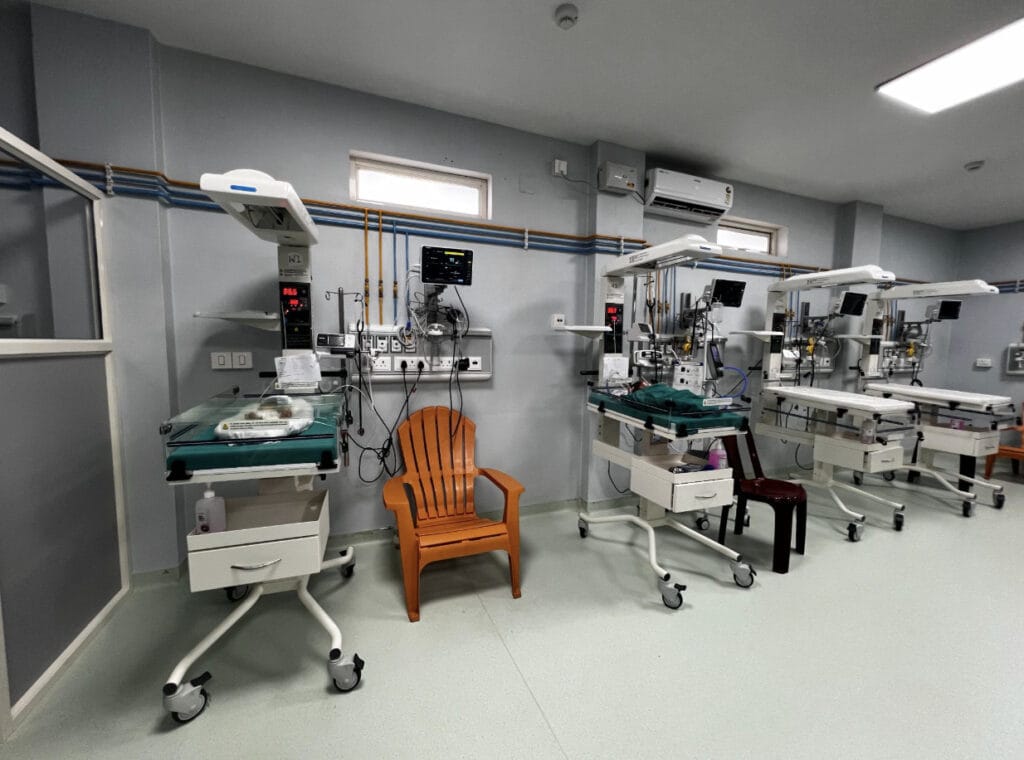
Together, these investments are strengthening Meghalaya’s healthcare system, ensuring that as more mothers choose institutional deliveries, they have access to safe, quality care throughout childbirth and the critical first days of a newborn’s life.
Protecting Children Through Immunisation
Meghalaya’s efforts to improve maternal and child health do not end with a safe delivery. Ensuring that every child continues to grow up healthy is equally important. From pregnancy and childbirth to the early years of life, the state has focused on providing continuous care, recognising that a healthy start must be supported through timely healthcare, proper nutrition and routine immunisation.
Vaccination remains one of the most effective ways to protect children from preventable diseases. Building on the progress made in maternal healthcare and institutional deliveries, Meghalaya has continued to strengthen its immunisation programme to ensure that every child receives the protection they need during the most critical years of life.
NFHS-6 findings reflect these sustained efforts. More children are now receiving life-saving vaccines, helping reduce the risk of childhood illnesses and giving them a healthier start in life.
The proportion of fully vaccinated children aged 12-23 months increased from 64.0% in NFHS-5 (2019-21) to 75.3% in NFHS-6 (2023-24.)
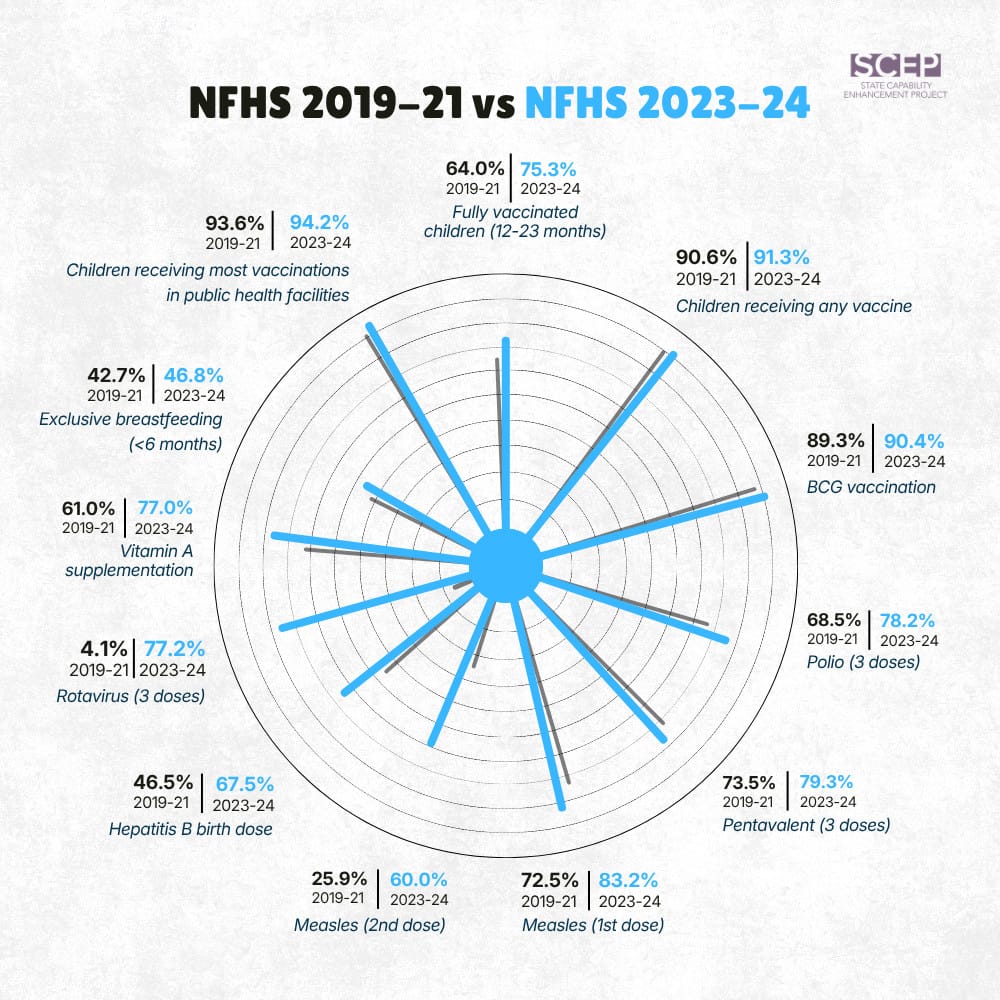
Coverage also improved across several life-saving vaccines:
- Children receiving three doses of the Polio vaccine increased from 68.5% to 78.2%.
- Coverage of the Pentavalent vaccine increased from 73.5% to 79.3%.
- The first dose of the Measles vaccine increased from 72.5% to 83.2%.
- The second dose of the Measles vaccine more than doubled from 25.9% to 60.0%.
- The Hepatitis B birth dose increased from 46.5% to 67.5%.
- Coverage of the Rotavirus vaccine increased dramatically from 4.1% to 77.2%.
- Vitamin A supplementation also increased from 61.0% to 77.0%.
These improvements reflect stronger outreach by frontline workers, expanded immunisation services, and improved access to healthcare facilities throughout the state.
Complementing Healthcare with Better Nutrition
While immunisation protects children from preventable diseases, good nutrition is equally important to ensure they grow, learn and thrive. Meghalaya has continued to strengthen child nutrition alongside its healthcare interventions, with a special focus on the critical early years of life.
For many families, particularly in rural communities, access to a balanced and nutritious diet can be a challenge. Although locally available foods form an important part of daily meals, they may not always provide the variety of nutrients needed for a child’s healthy growth and development. To address this, the state has been encouraging families to make better use of locally available, nutrient-rich foods while also promoting the cultivation and consumption of traditional crops such as millets, which are rich in essential nutrients but are no longer widely consumed in many communities.
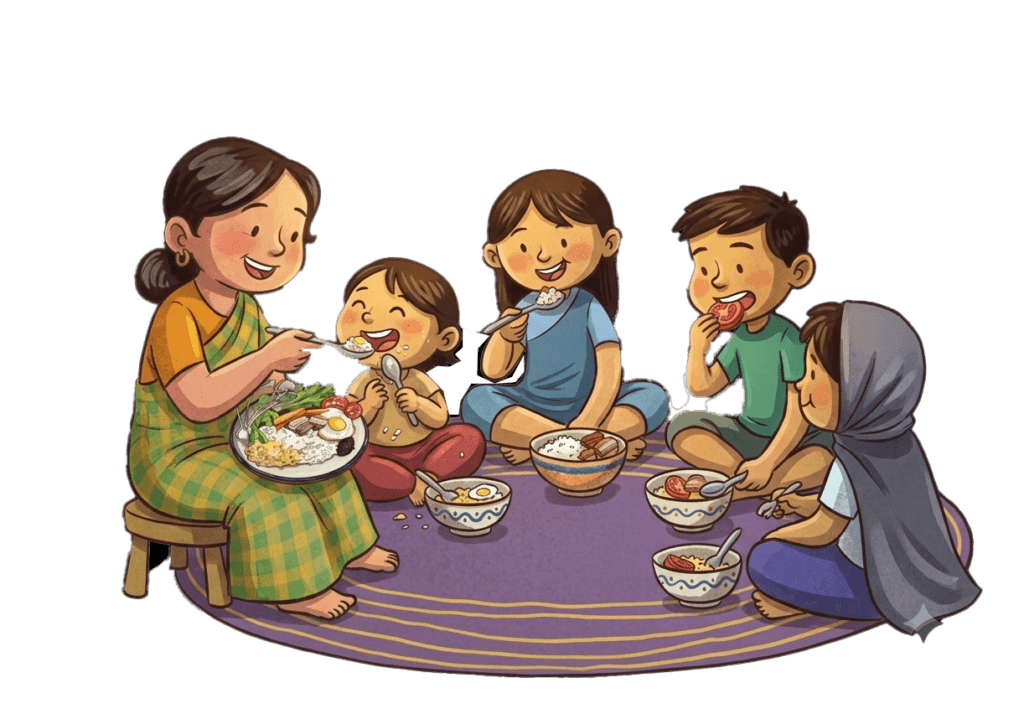
These efforts are complemented by nutrition counselling through Anganwadi Centres, frontline health workers and community-based programmes, helping parents make informed choices about feeding practices during the first 1,000 days of a child’s life.
These interventions are important because inadequate nutrition during pregnancy and early childhood can lead to stunting, a condition where children do not grow to the expected height for their age due to long-term undernutrition, repeated illness and inadequate care. Beyond affecting physical growth, stunting can also impact brain development, learning and future opportunities.
NFHS-5 (2019-21) reported that 46.5% of children under five in Meghalaya were stunted.
The latest NFHS-6 (2023-24) shows this has declined to 36.8%.
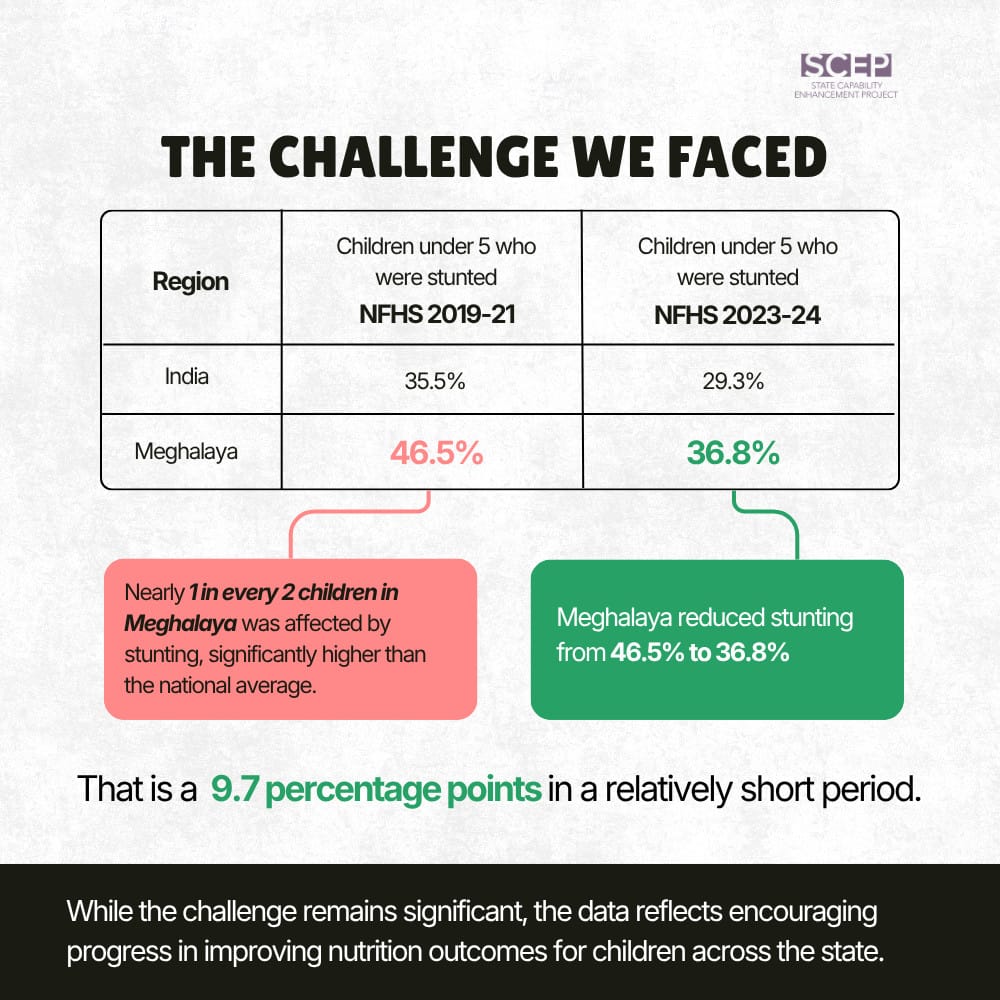
Although this represents an improvement of more than nine percentage points, nearly four in every ten children remain affected, highlighting the need for continued action.
The First 1,000 Days Matter Most
The latest NFHS-6 findings show that Meghalaya is moving in the right direction. While improvements in maternal and child health are encouraging, they also highlight the need to sustain this momentum and address the challenges that remain.
Recognising that the greatest gains in health and nutrition can be made during the earliest stages of life, the Government of Meghalaya launched the Mission 1000 Days Programme under the Meghalaya Early Childhood Development Mission on 31 March 2026.
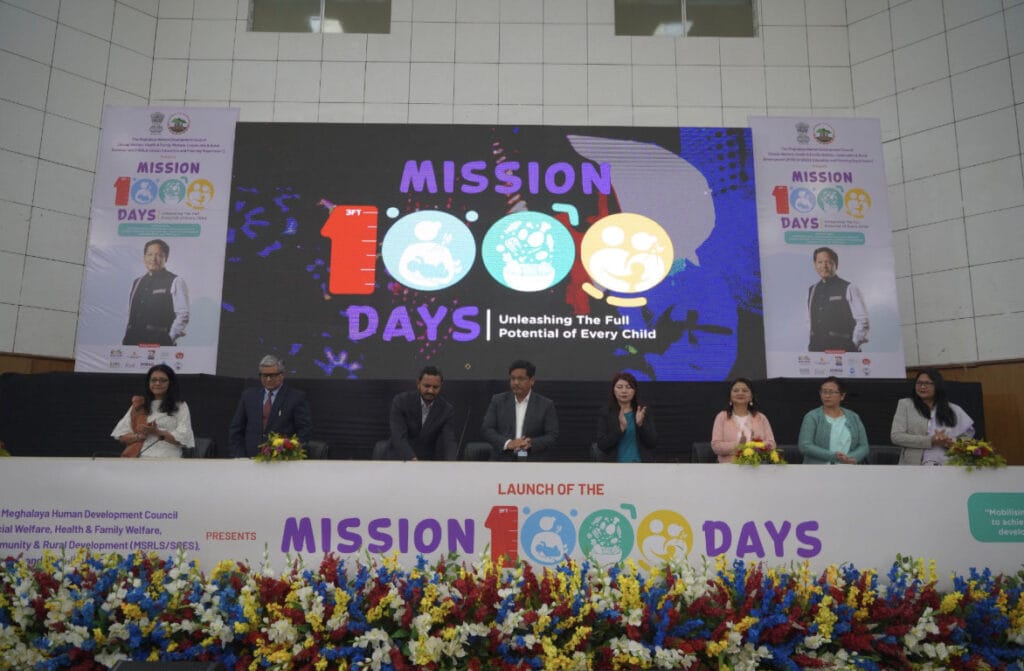
The programme focuses on ensuring that mothers and young children receive the care they need during this critical period.
Key interventions include:
- Maternal nutrition during pregnancy
- Early registration and antenatal care
- Exclusive breastfeeding during the first six months
- Timely complementary feeding
- Regular growth monitoring
- Nutrition counselling
- Support for vulnerable mothers and children
By focusing on the first 1,000 days of life, Mission 1000 Days aims to strengthen maternal and child nutrition, reduce stunting and give every child the best possible start in life.
The Role of Frontline Workers

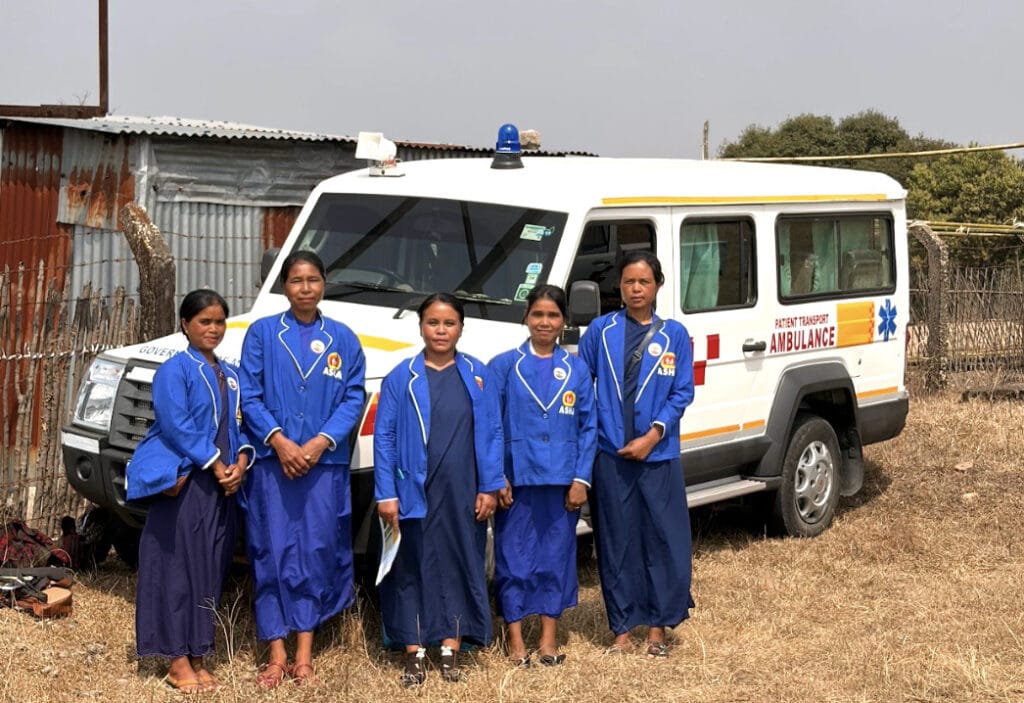
At the heart of Meghalaya’s nutrition efforts are thousands of Anganwadi Workers working under the Integrated Child Development Services (ICDS).
They monitor children’s growth, provide supplementary nutrition, counsel mothers on breastfeeding and infant feeding practices, identify malnourished children and connect families with health services.
Working alongside ASHAs and ANMs, Anganwadi Workers ensure that government programmes reach even the most remote communities.
Their work often represents the first point of contact between families and the healthcare system.
A Convergent Approach to Public Health
One of the key strengths of Meghalaya’s maternal and child health efforts has been its convergent approach to service delivery. Recognising that better health outcomes cannot be achieved by the health sector alone, the state has brought together frontline health workers, Anganwadi Centres, Self Help Groups (SHGs), Village Health Councils (VHCs), community leaders and multiple government departments to work towards a common goal.
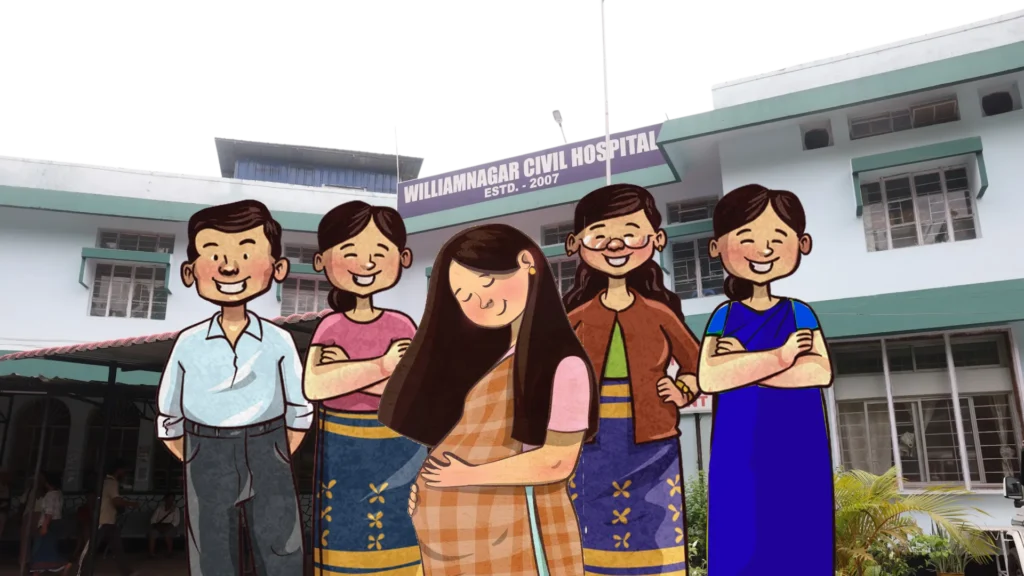
From identifying high-risk pregnancies and supporting safe institutional deliveries to ensuring routine immunisation, improving child nutrition and promoting healthy feeding practices, each stakeholder plays an important role in supporting mothers and children throughout their journey. This coordinated approach has strengthened last-mile service delivery, ensuring that families receive timely support at every stage, from pregnancy through early childhood.
The latest NFHS-6 findings reflect the strength of this public health system. More than 94% of children received most of their vaccinations through public health facilities, highlighting the trust that communities continue to place in government healthcare services and the state’s ability to deliver essential healthcare even in remote areas.
Progress That Must Continue
The latest NFHS-6 findings demonstrate that Meghalaya is moving in the right direction.
More mothers are receiving antenatal care.
More women are delivering safely in healthcare facilities.
More children are being immunised.
More mothers are receiving nutritional support.
Fewer children are experiencing stunting.
These improvements are already translating into better health outcomes, contributing to the state’s reduction in infant mortality over recent years.
Yet the work is far from complete.
Too many children still experience malnutrition. Some families continue to face barriers in accessing timely healthcare. Ensuring universal immunisation, strengthening maternal nutrition, expanding newborn care, and improving healthcare access in remote areas remain ongoing priorities.
The progress reflected in the NFHS- 6 (2023-24) is not simply a collection of statistics. It is evidence that coordinated action, sustained investment and strong community participation can improve lives.
As Meghalaya continues to strengthen its healthcare system through programmes such as the Rescue Mission, CMSMS, the Meghalaya Early Childhood Development Mission, Mission 1000 Days, ICDS and investments in Maternal and Child Health Hospitals and NICUs, the state is laying the foundation for healthier mothers, healthier children and a healthier future.
Every healthy pregnancy, every safe delivery, every vaccinated child and every well-nourished family brings Meghalaya one step closer to that vision.