

Matrongkolgre, South West Garo Hills | 29 October 2026
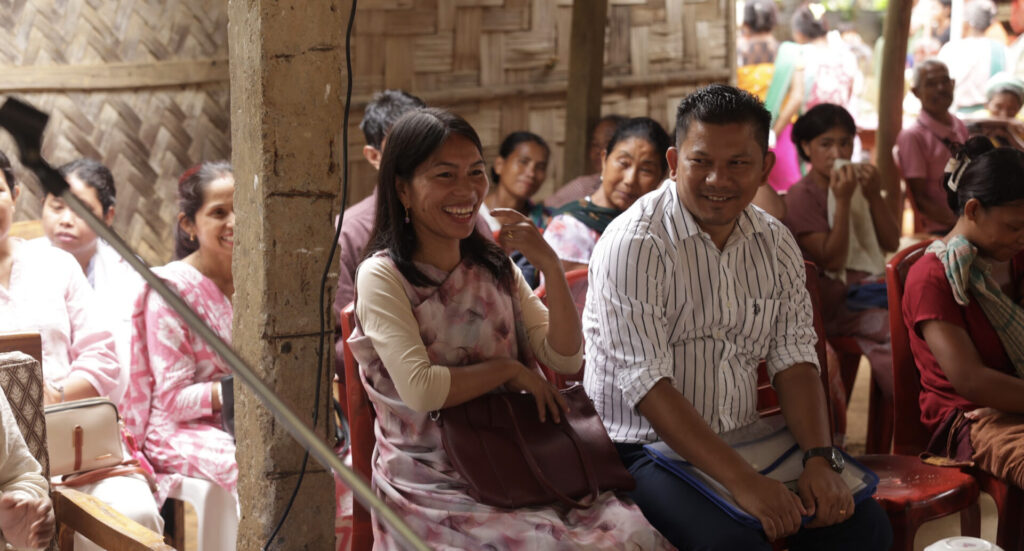
Understanding the challenges faced by communities often begins with listening to their experiences. A field visit to Matrongkolgre village in South West Garo Hills, led by the Additional Chief Secretary and Development Commissioner, Government of Meghalaya, brought together state, district and block-level officials to engage directly with residents and identify gaps in access to essential services.
Located approximately 4 km from the Zikzak Community and Rural Development Block office, Matrongkolgre has a population of 499 people across 87 households, including 127 children. Despite its proximity to the block headquarters, the village has faced challenges in the acceptance and utilisation of available healthcare services.
The interaction brought together representatives from the health, social welfare and community development departments, along with village elders, members of Village Health Committees (VHCs), Village Organisations (VOs), Self-Help Groups (SHGs), Village Employment Councils (VECs) and the village faith leader.
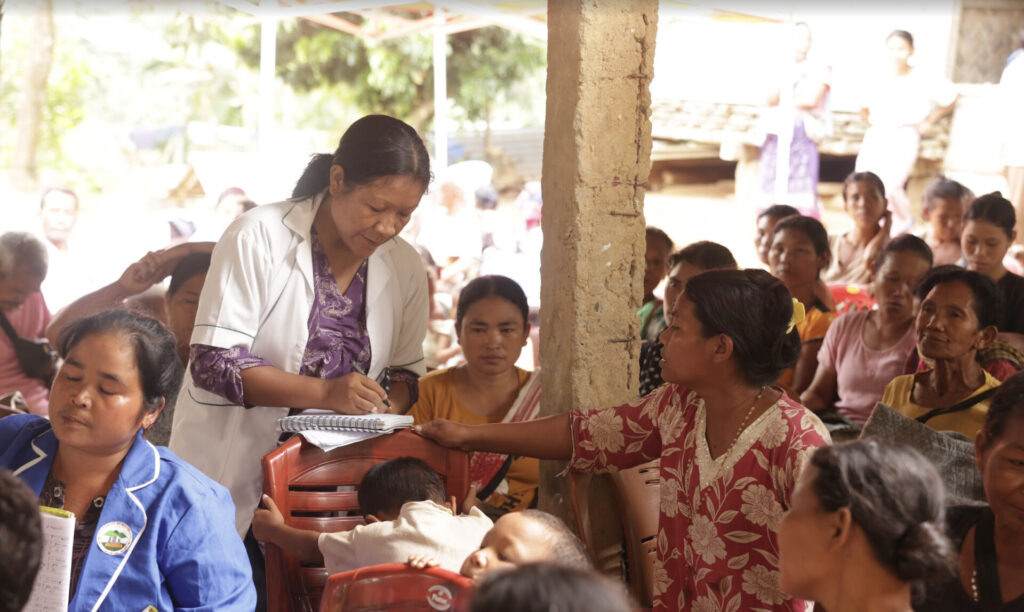
Addressing barriers to healthcare through community support
One of the key discussions centred on the experiences of Mrs. Tangsera, a mother of six children, who spoke about the difficulties she faces in accessing healthcare.
Both she and her husband are persons with disabilities. She explained that arranging care for her other children while travelling to a healthcare facility was a significant barrier to seeking medical attention. She was also not part of an SHG and was unaware of whether such groups had been established in the village.
During the interaction, the Additional Chief Secretary, Dr. Sampath Kumar, enquired about her awareness of the Chief Minister’s Safe Motherhood Scheme (CM-SMS), particularly its childcare support provision.
He explained how SHG members could support mothers by looking after their children while they visit healthcare facilities, with financial assistance provided to the SHG member undertaking this responsibility.
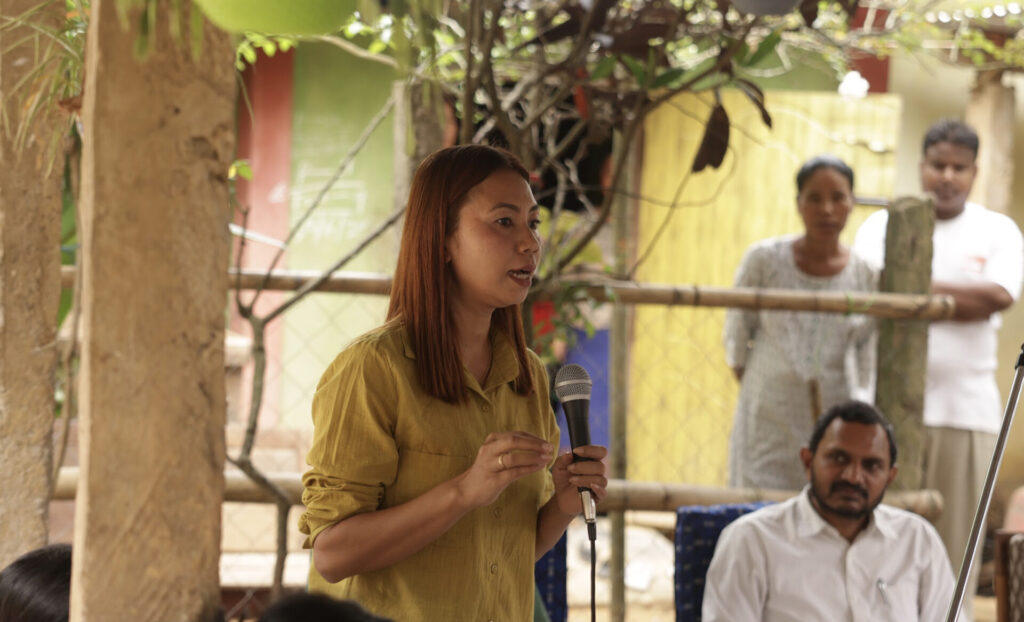
Having been unaware of this provision, Mrs. Tangsera expressed willingness to avail herself of the support and access healthcare services. She also conveyed her interest in joining an SHG and sought information on the process of forming one.
The interaction highlighted how a lack of awareness about existing provisions can prevent families from accessing services designed to support them.
As a follow-up, the block team and Meghalaya State Rural Livelihoods Society (MSRLS) will facilitate the formation of eight SHGs in the village, in coordination with the Nokma and interested community members. Awareness about CM-SMS and its childcare support provision will also be strengthened.
Education and the importance of lifelong learning
The discussion also brought attention to concerns surrounding children’s education. Approximately 11 children were reported to have dropped out of school or were currently not attending classes. Some were reportedly choosing wage-based work over continuing their education, although the specific reasons for discontinuation remain to be established.
Community member Mr. Jengjim Arengh emphasised the importance of engaging parents to understand the circumstances behind school dropouts and their role in ensuring that children continue their education.
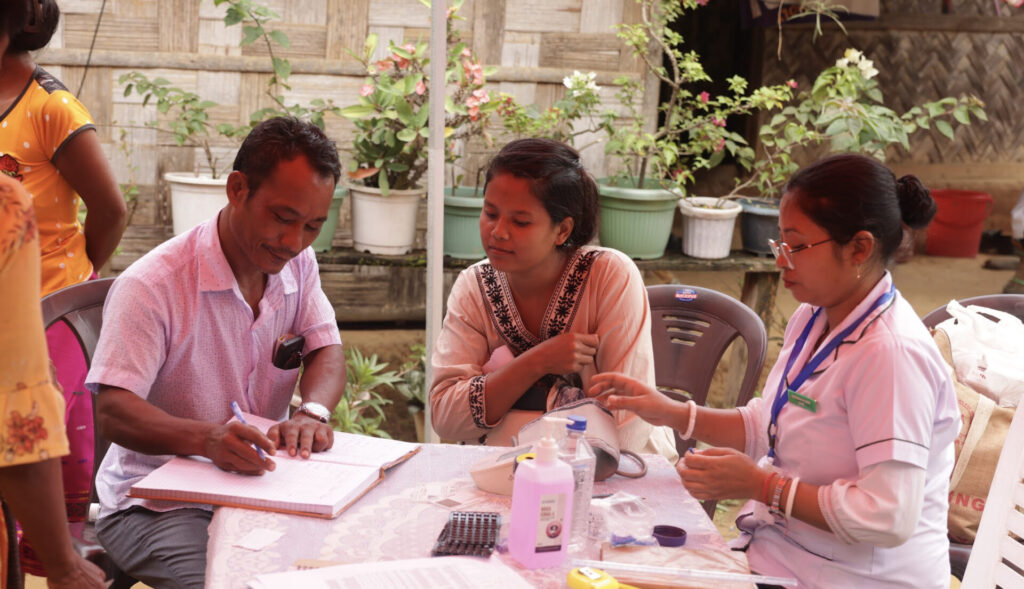
The village also reported an estimated literacy level of around 30%, indicating the need for greater attention to foundational and adult learning.
Addressing the gathering, Dr. Sampath Kumar emphasised that knowledge must go beyond acquisition and become part of everyday life. He encouraged community members to explore different approaches to learning, including adult education, reading, sharing stories and experiences, and meaningful everyday interactions.
He also highlighted the importance of strengthening the connection between SHGs and Village Health Committees to improve awareness of health and nutrition, particularly concerning mothers and children.
The discussion underscored the need to understand the underlying causes of challenges rather than focusing only on their visible symptoms. Sustained community participation, awareness and positive everyday practices were identified as important elements of long-term human development.
The Additional Chief Secretary also stressed that newborn and maternal health require consistent attention. A single health check-up showing no immediate danger signs should not lead to complacency. Regular Home-Based Newborn Care (HBNC) follow-ups by ASHAs, Anganwadi Workers and ANMs remain essential for monitoring newborn health, supporting postpartum mothers and preventing avoidable infant deaths.
Community concerns and access to government services
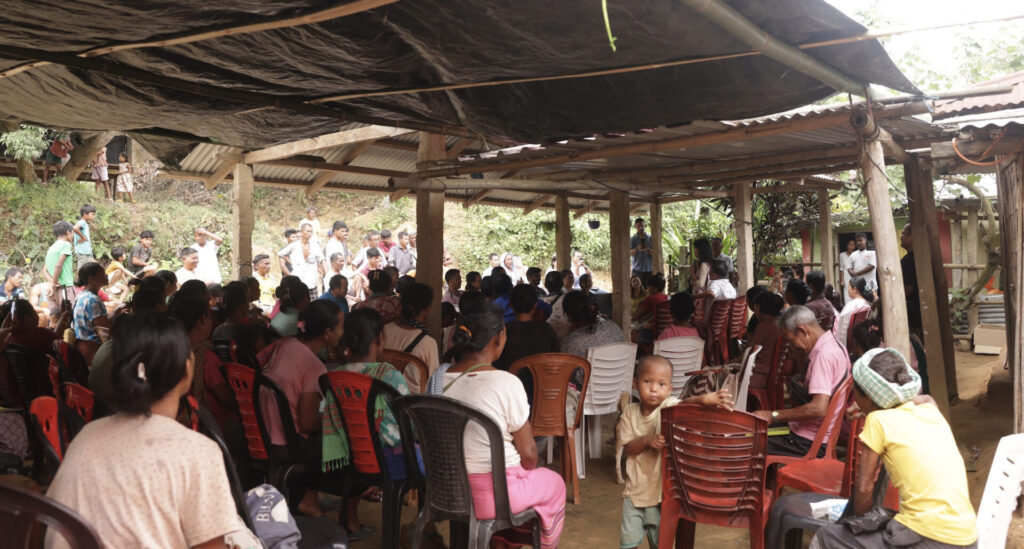
Residents also raised concerns regarding the availability of medicines at healthcare facilities. It was reported that patients are sometimes prescribed medicines that must be purchased from outside pharmacies, creating additional financial pressure on economically vulnerable households.
Another concern related to difficulties and hesitation surrounding registration under the Meghalaya Health Insurance Scheme (MHIS). Rathi B. Sangma shared concerns on behalf of her mother, highlighting the need for clearer information and assistance with the registration process, including guidance on the required documentation and benefits.
These concerns pointed to the importance of strengthening last-mile communication and helping eligible families navigate the processes required to access government services.
Strengthening awareness and collective responsibility
In her closing remarks, the Deputy Commissioner, South West Garo Hills, reiterated that the purpose of the field visit was to understand the challenges experienced by villagers, particularly those relating to institutional delivery, immunisation, healthcare access, awareness of government schemes and support for pregnant women.
She emphasised the importance of addressing vaccine hesitancy through awareness generation and counselling, helping parents understand the role of timely immunisation in protecting children against preventable diseases.
She also highlighted the importance of Aadhaar enrolment in facilitating access to government services, welfare schemes and other benefits.
Further discussions with the block team established that the village primary school currently has three teachers. A community meeting has been scheduled for 5 November 2026 to discuss the challenges faced by residents and facilitate engagement with relevant stakeholders.
The Block Development Officer also explained the process for accessing benefits under VB-G RAM G, highlighting that a formal demand for work must be raised by the village, with the Village Secretary initiating the process on its behalf.
From identifying challenges to taking action
The visit to Matrongkolgre highlighted that improving human development outcomes requires more than the availability of government services. It also depends on whether communities are aware of these services, can access them and have the support needed to make use of them.
The proposed formation of SHGs, awareness on childcare support, continued engagement on education and follow-up with frontline workers represent practical steps towards addressing the concerns raised during the visit.
By bringing government officials and community institutions together at the village level, the interaction reinforced the importance of listening, identifying underlying barriers and translating community concerns into coordinated action.
Ultimately, meaningful progress in human development begins when communities are not merely recipients of services but active participants in shaping their own well-being and future.